Did Caravaggio Return in Tangier? The Paintings of Mohamed Saïd Chair
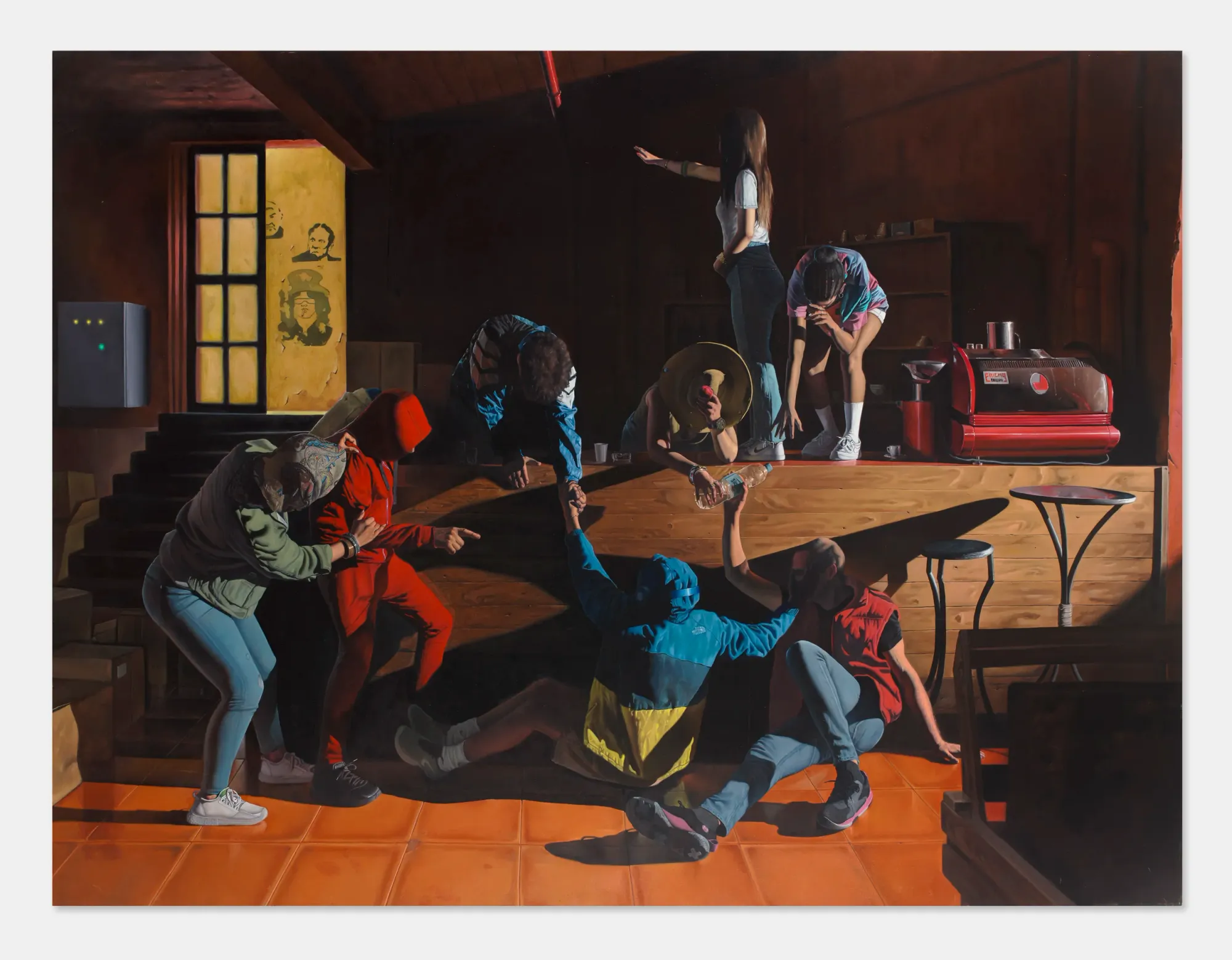
What if the spirit of Caravaggio lived on today not in Rome, but in Tangier? It is a question that comes to mind when looking at the work of Moroccan painter Mohamed Saïd Chair. His paintings carry a sense of familiarity, yet they feel firmly rooted in the present.
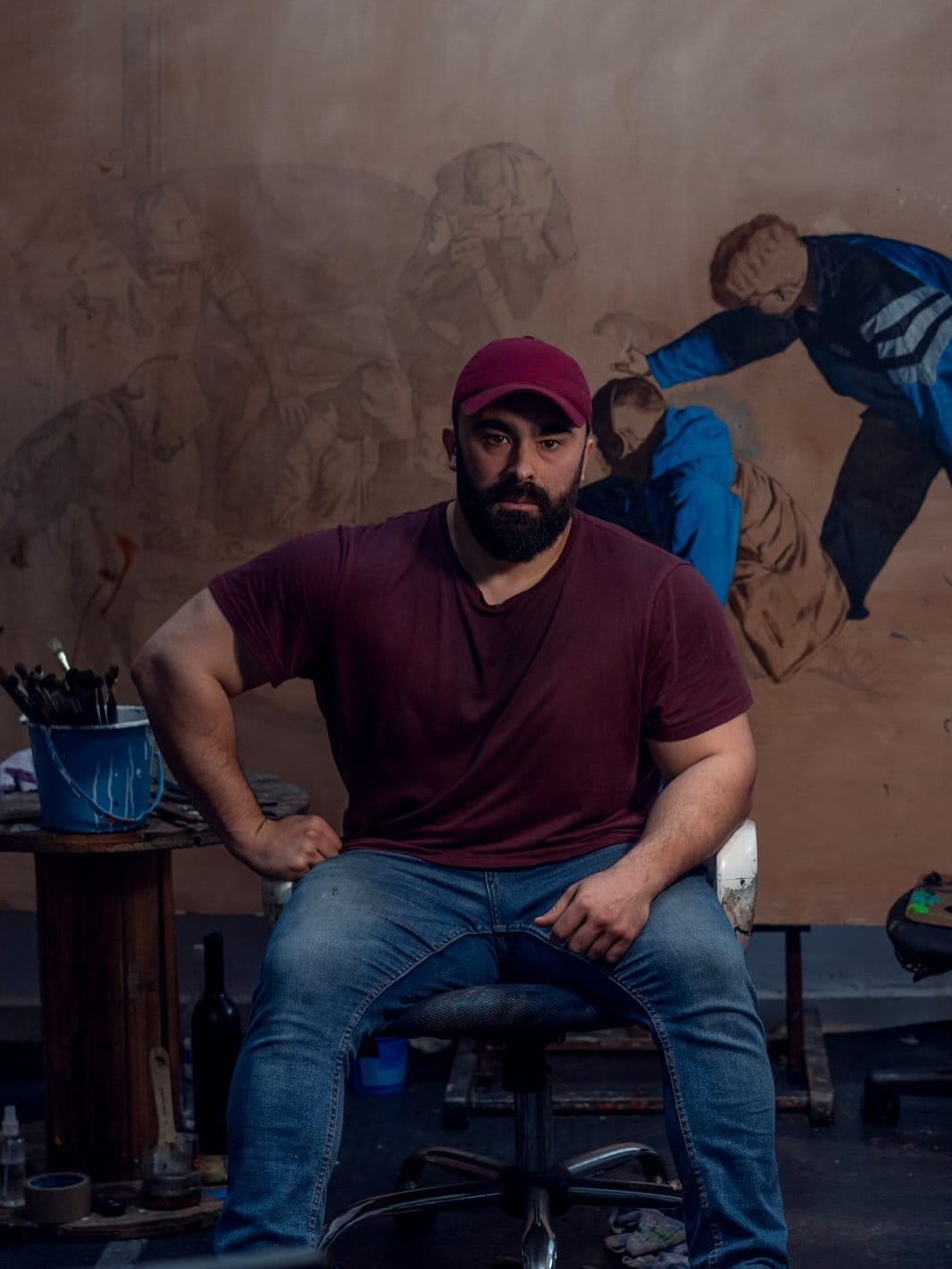
Born in 1989, Chair is a self-taught artist who lives and works in Tangier. Before fully dedicating himself to painting, he had a career in finance. This shift, from a structured, analytical world to one of intuition and expression, can still be felt in the discipline and precision of his work. His paintings are carefully constructed, yet emotionally charged.
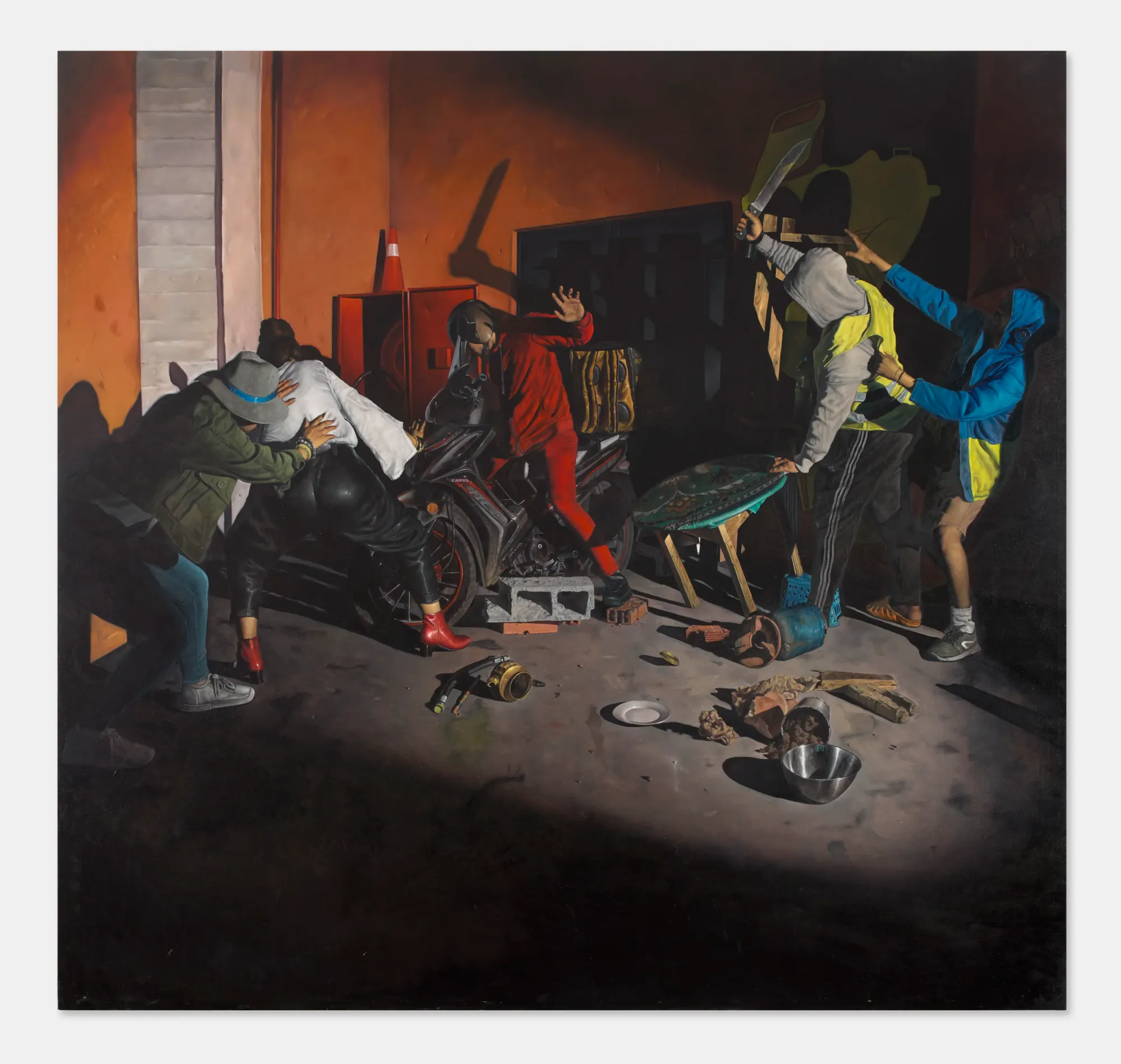
Chair draws strong inspiration from old masters such as Caravaggio and Rembrandt. Caravaggio was known for breaking away from the idealized style of his time. Instead of painting perfect, symmetrical bodies, he chose to depict real people, workers, ordinary men and women, and even religious figures with human imperfections. His work reflected the reality of society as it was. Rembrandt, in contrast, brought a deep sense of emotion into his portraits. Through his use of light and shadow, he was able to express feeling and create a powerful, almost dramatic presence.
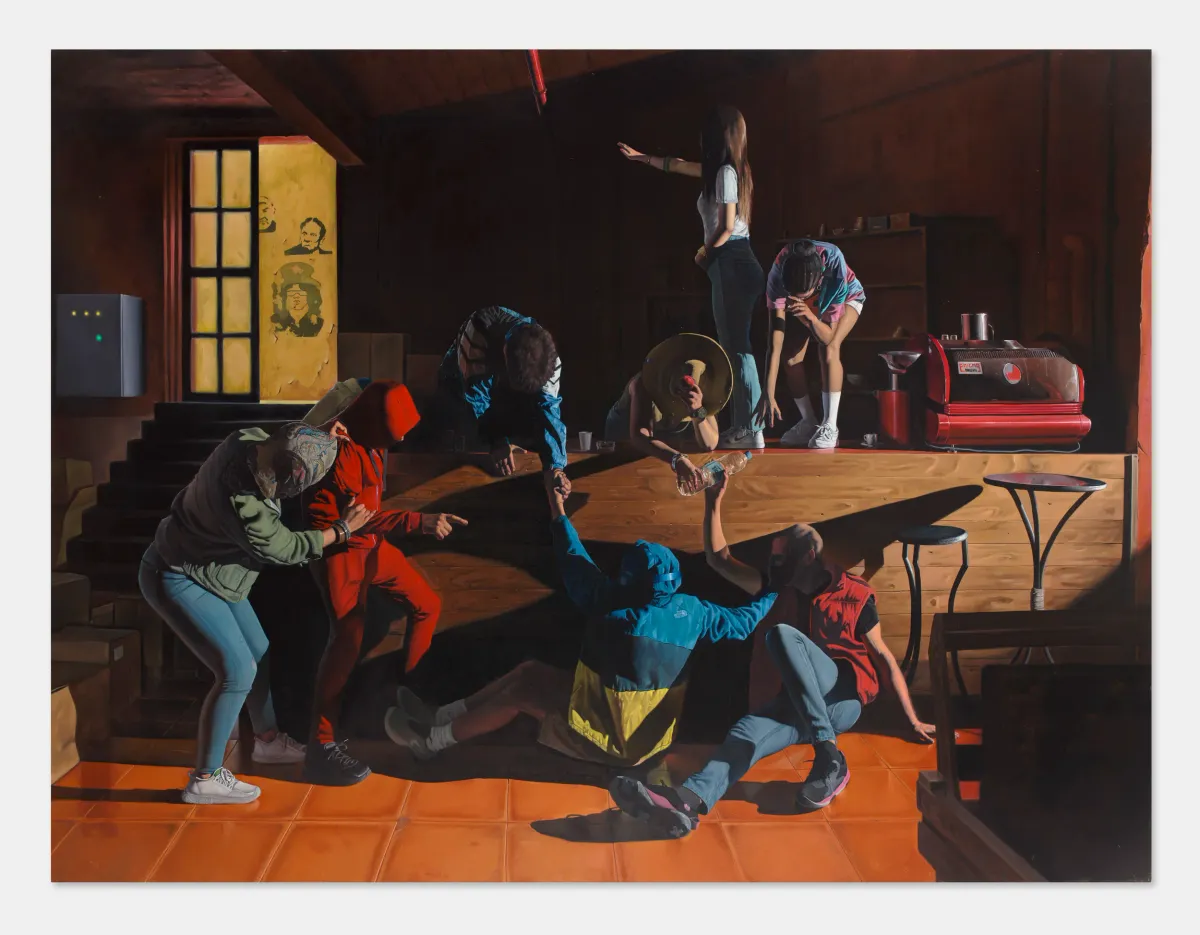
These influences are clearly visible in Chair’s work, but they are not simply repeated. Instead, they are translated into a contemporary context. His paintings often focus on the human body, while the face is deliberately hidden. This shift challenges the traditional idea of portraiture, where identity is usually found in the face. In Chair’s work, identity is expressed through posture, gesture, and physical presence. The body becomes the storyteller.
There is something both intimate and distant in his images. The figures appear close, almost tangible, yet they remain anonymous. This tension reflects a broader reality of our time. In a world shaped by social media and constant visibility, we are seen more than ever, but not always understood. Chair’s work quietly engages with this idea, without becoming explicit.
His process also adds another layer to his practice. Before painting, Chair often studies and recreates poses himself, almost like a director preparing a scene. Each element, the position of the body, the folds of fabric, the direction of light, is carefully considered. This gives his paintings a performative quality, as if the figures are part of a staged moment frozen in time.
What makes Mohamed Saïd Chair’s work particularly compelling is the way it connects past and present. He uses the visual language of classical painting, but applies it to contemporary themes such as identity, alienation, and the way we perceive ourselves and others today. His work does not reject tradition; it reactivates it.
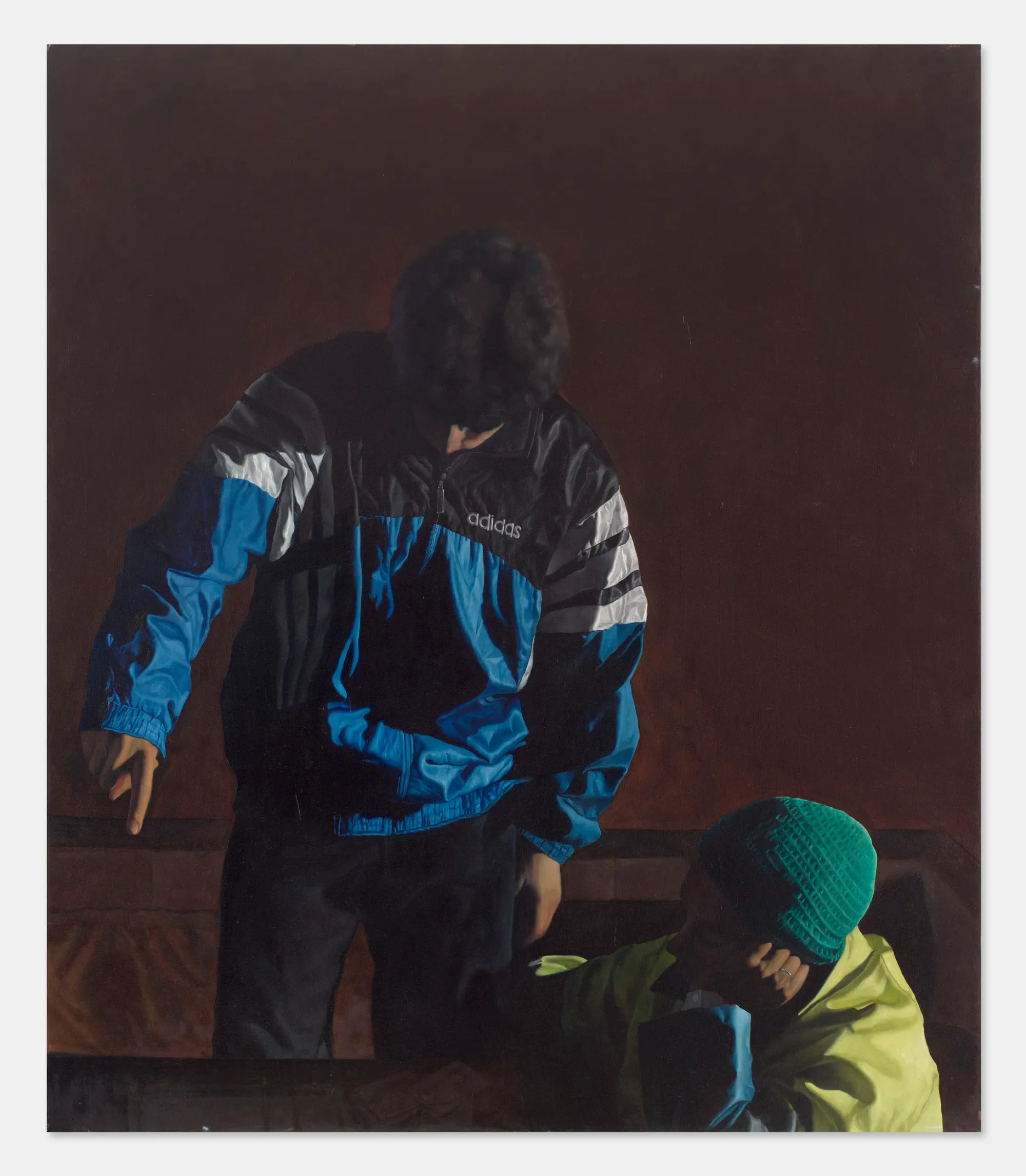
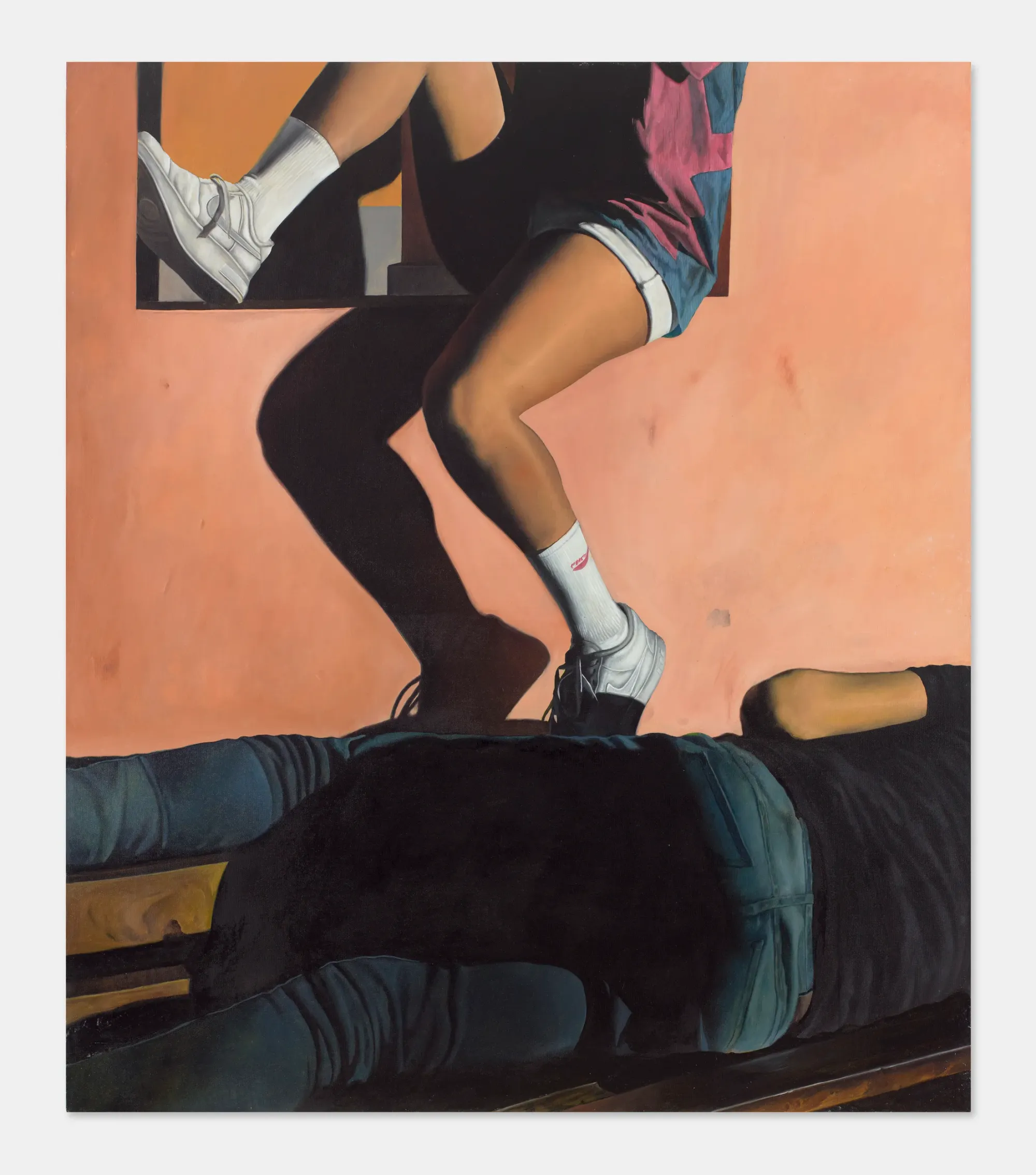
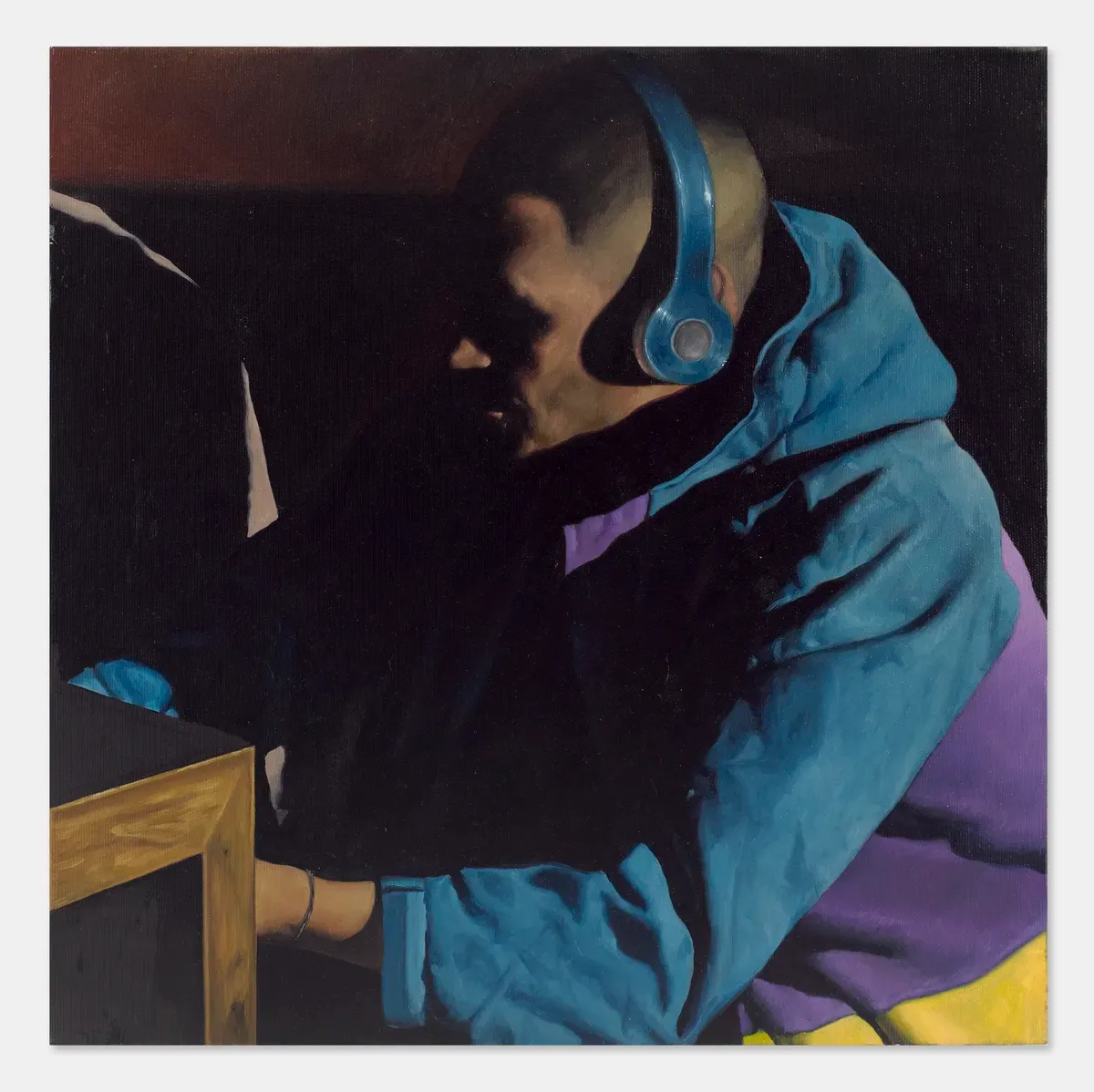
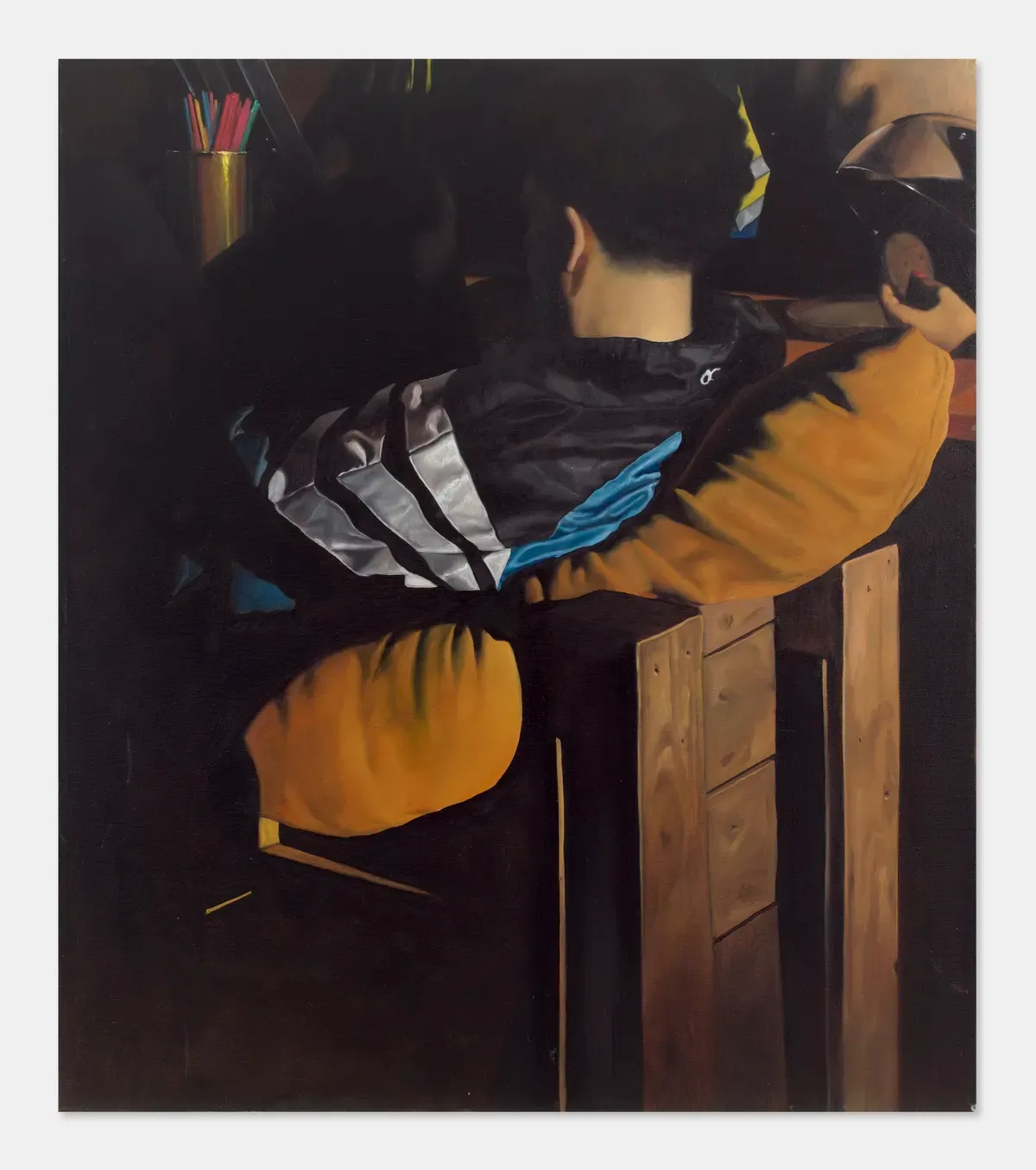
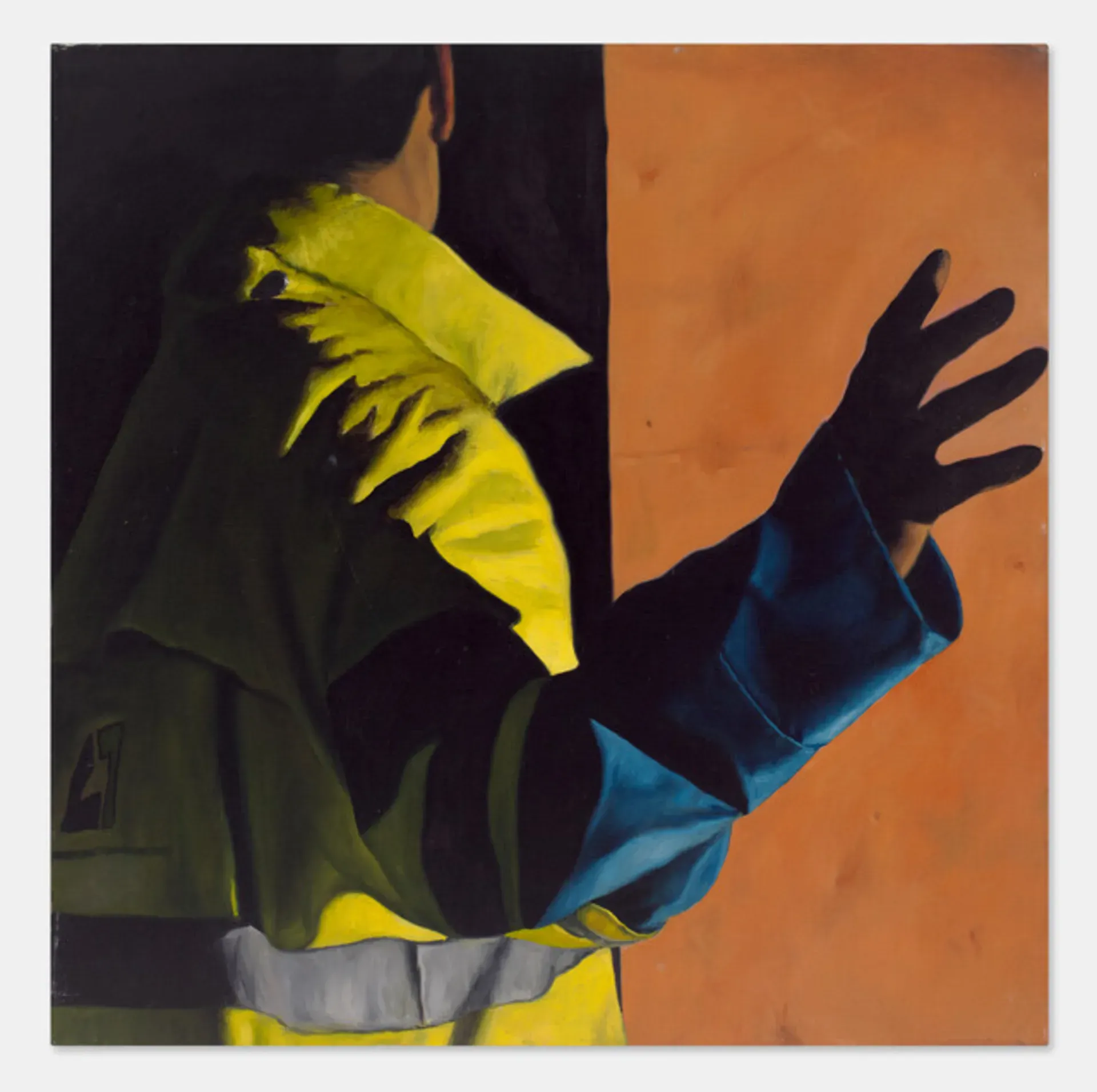
So, did Caravaggio return as a Moroccan artist? Not exactly. But in the work of Mohamed Saïd Chair, we can recognize a continuation of that same desire to bring art closer to reality. His paintings remind us that realism, emotion, and attention to the human condition are not bound to a specific time. They evolve, adapt, and find new forms.
In Tangier, that legacy feels alive again