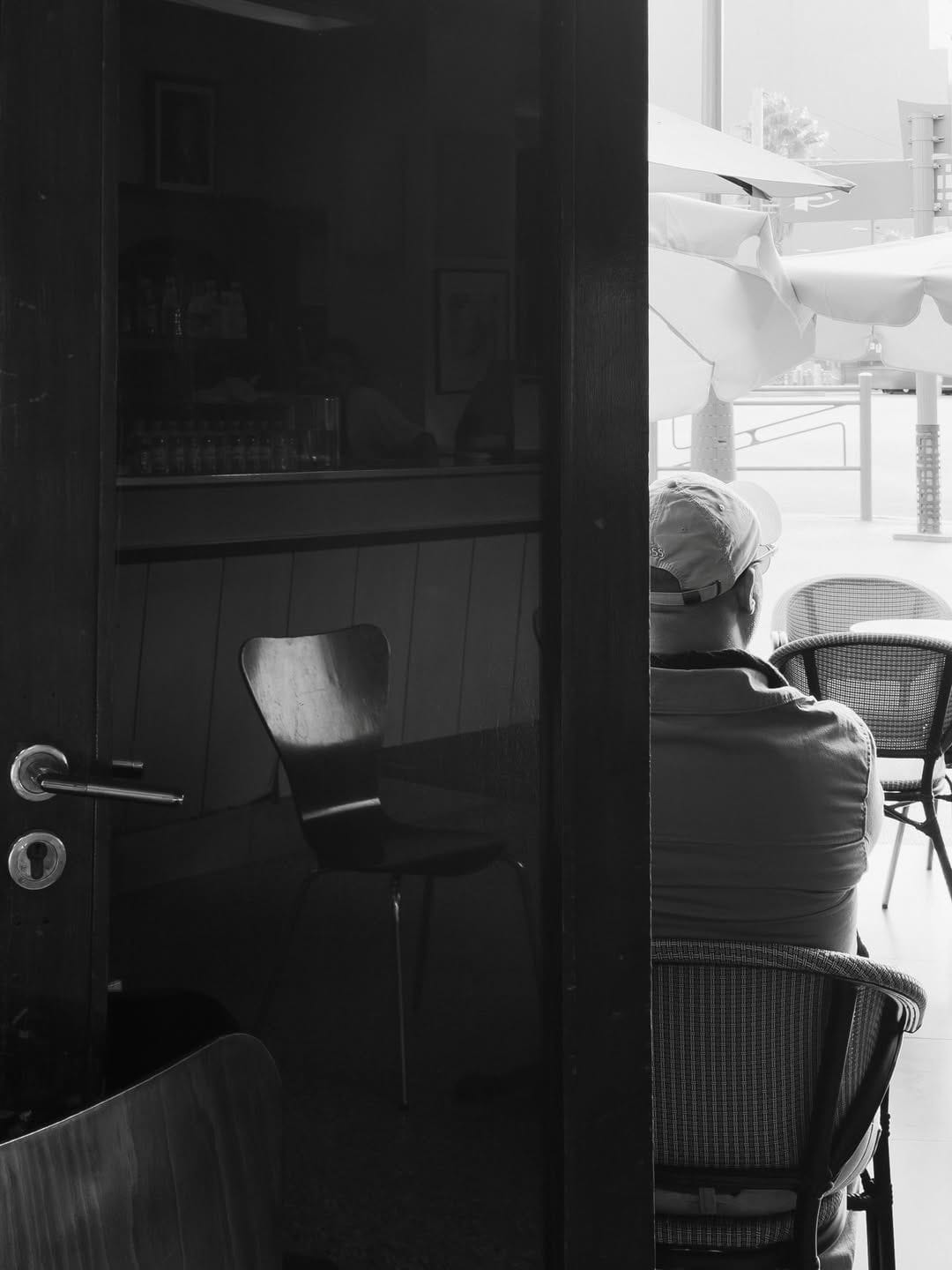
No Matcha Here: The Raw Café Culture of Casablanca Captured by Rwinalife
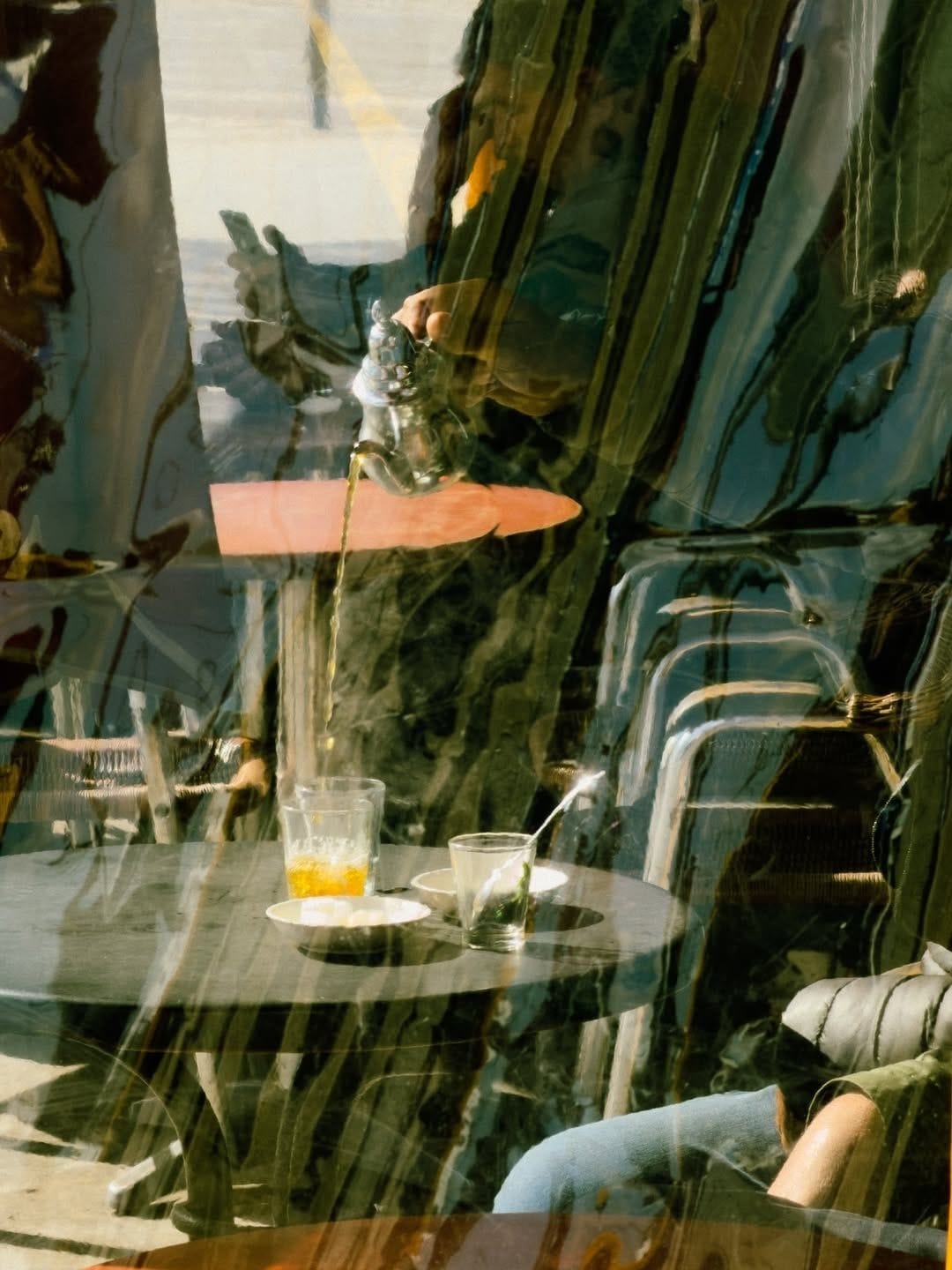
Casablanca is a city of contrasts. Fast and slow. Modern and nostalgic. Loud, yet full of quiet moments if you know where to look. For more than twenty years, photographer and artist Ali El Madani, better known as Rwinalife, has been observing and capturing these layers of the city with a unique and honest eye.
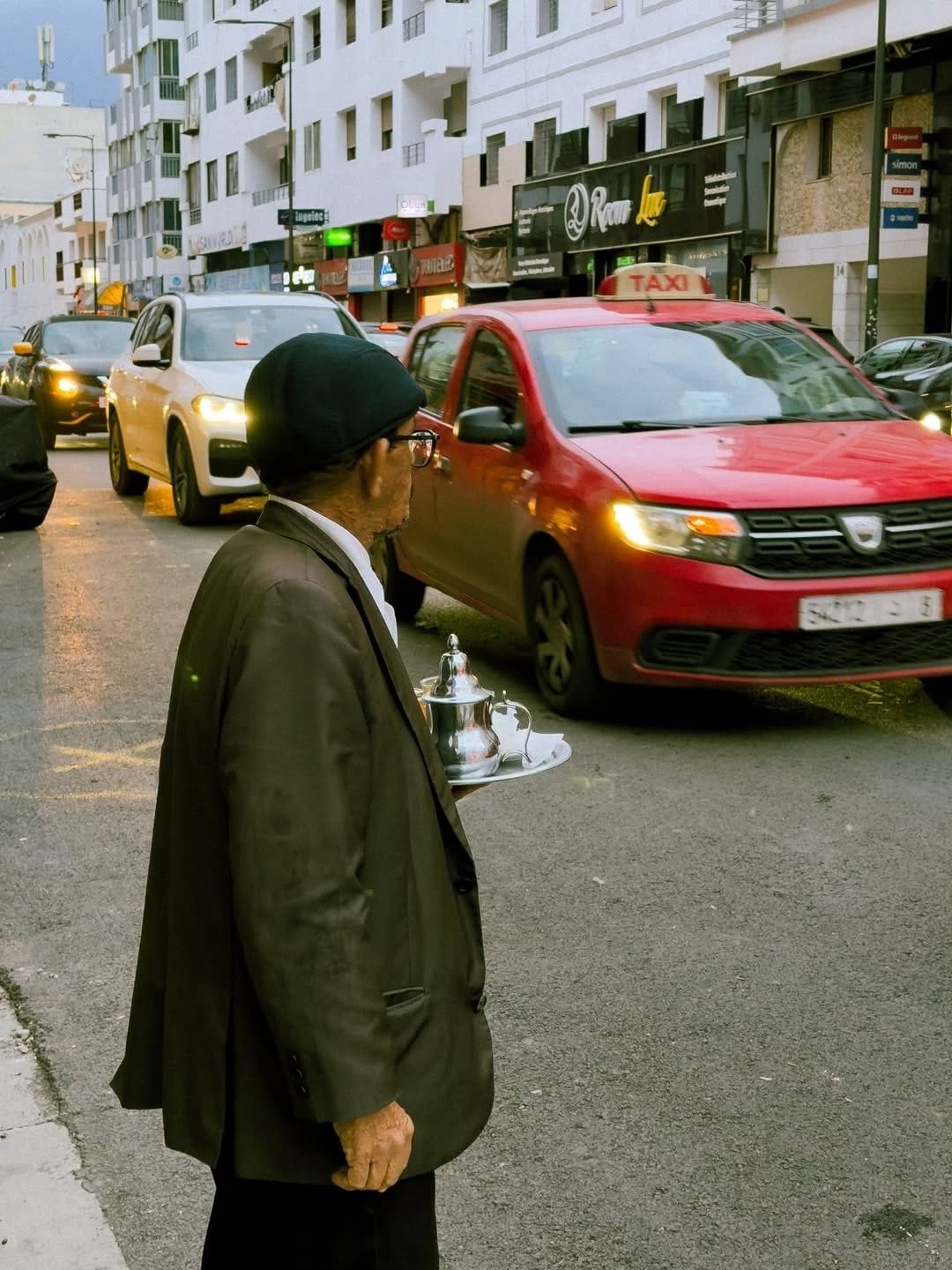
Born and based in Casablanca, Rwinalife does not photograph the city as a postcard. Instead, he documents it as it is lived. His work moves through the streets, rooftops, and hidden corners of everyday life, focusing on moments that many people pass by without noticing. There is a sense of closeness in his images, as if you are not just looking at Casablanca, but standing inside it.
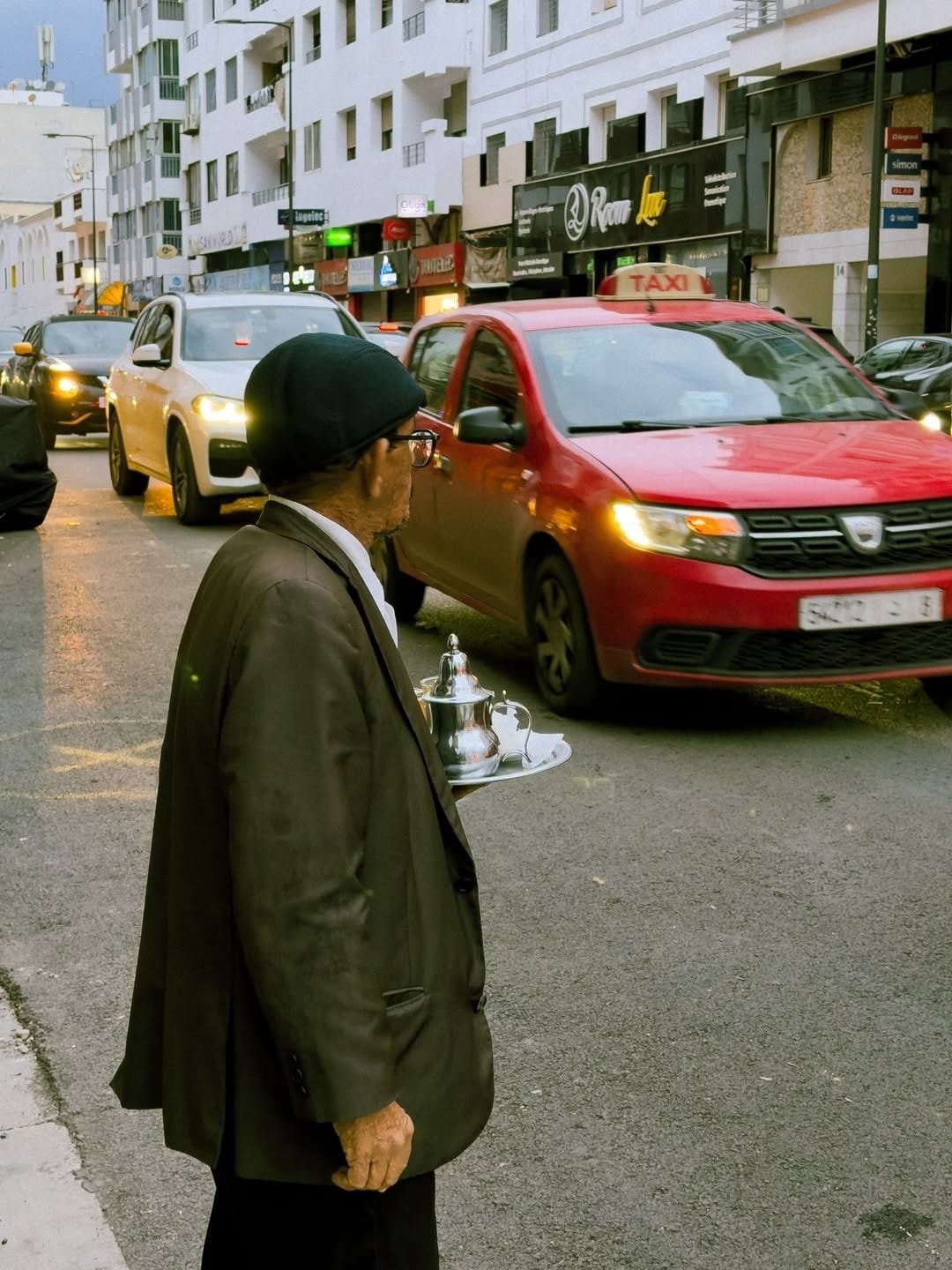
What makes his work stand out is the way he explores the city from different angles, not only physically, but also emotionally. His photographs shift between energy and stillness. One moment you see the rhythm of street culture, people moving, talking, living. The next, you are drawn into a quiet scene, an intimate moment that feels almost private.
Rwinalife also captures the architectural identity of Casablanca. From iconic buildings to overlooked urban details, his images reveal how history and modern life exist side by side. The textures of walls, the light hitting concrete, the geometry of the city, all become part of his visual language.
But beyond aesthetics, his work carries something deeper: a sense of memory. Casablanca is constantly changing, and with that, parts of its culture slowly disappear. Familiar streets evolve, rituals shift, and places that once defined daily life slowly fade away. Through his photography, Rwinalife preserves these moments, not in a nostalgic way, but in a way that acknowledges their value.
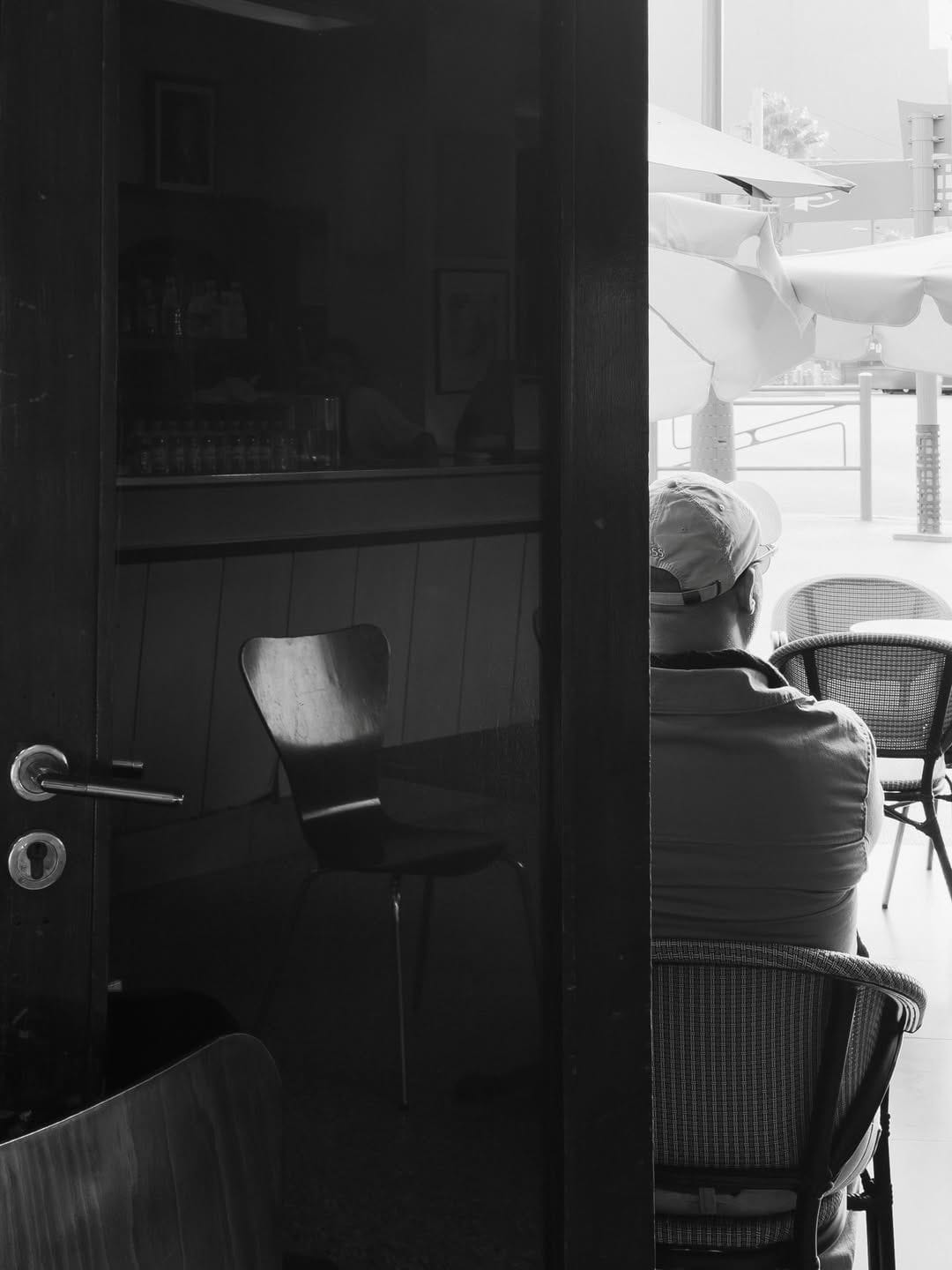
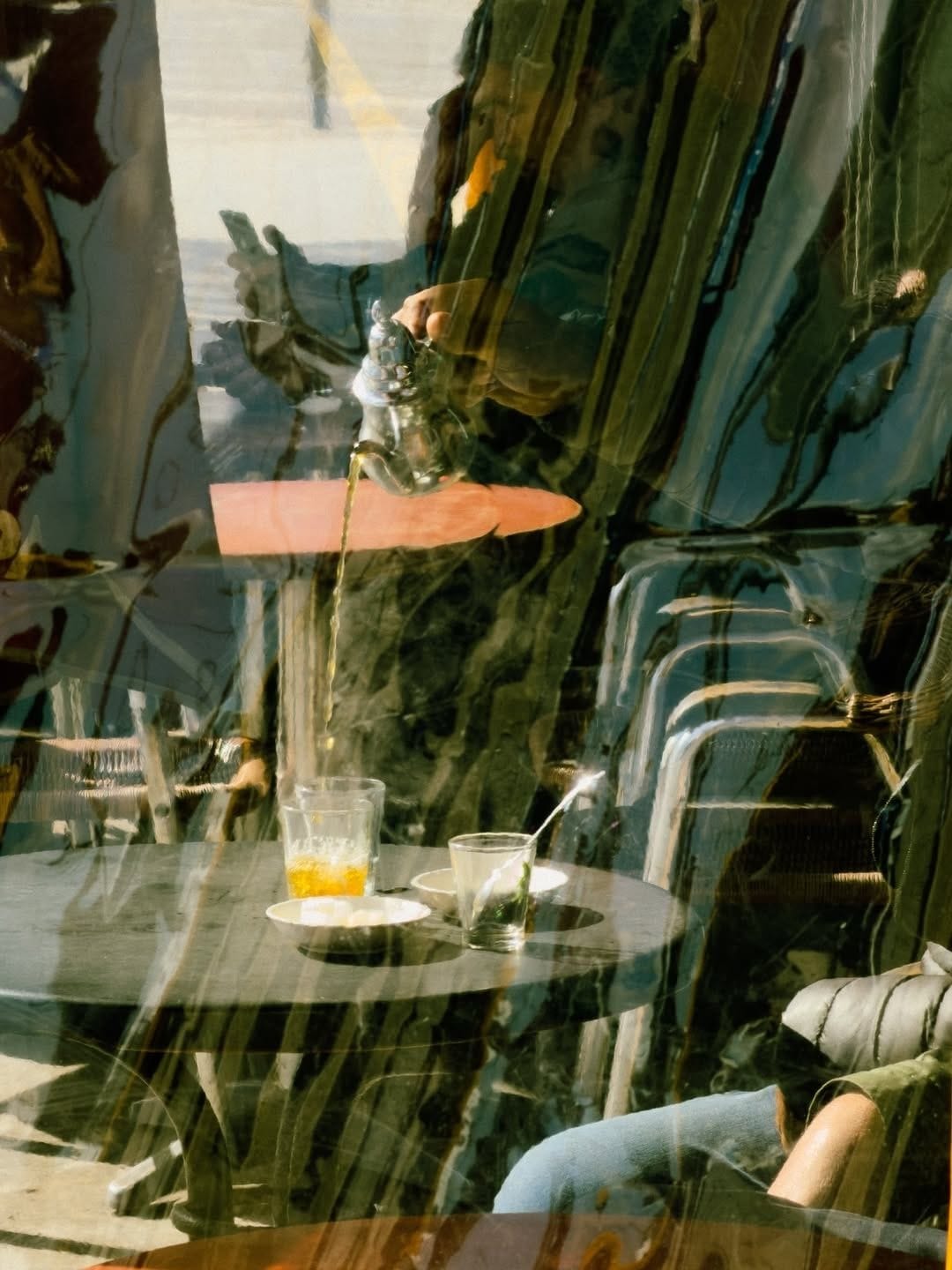
One of the most powerful examples of this is his ongoing focus on Casablanca’s café culture.
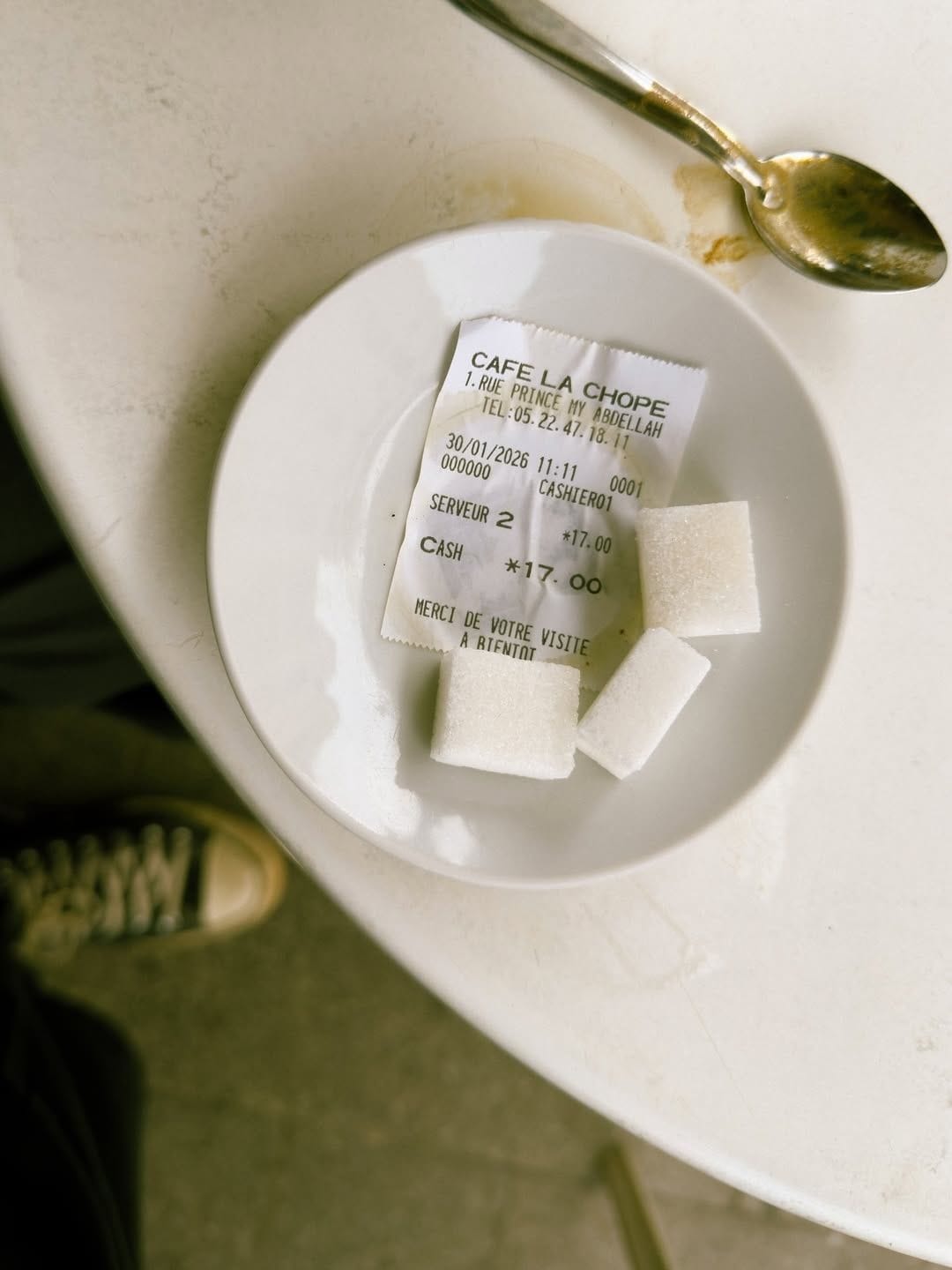
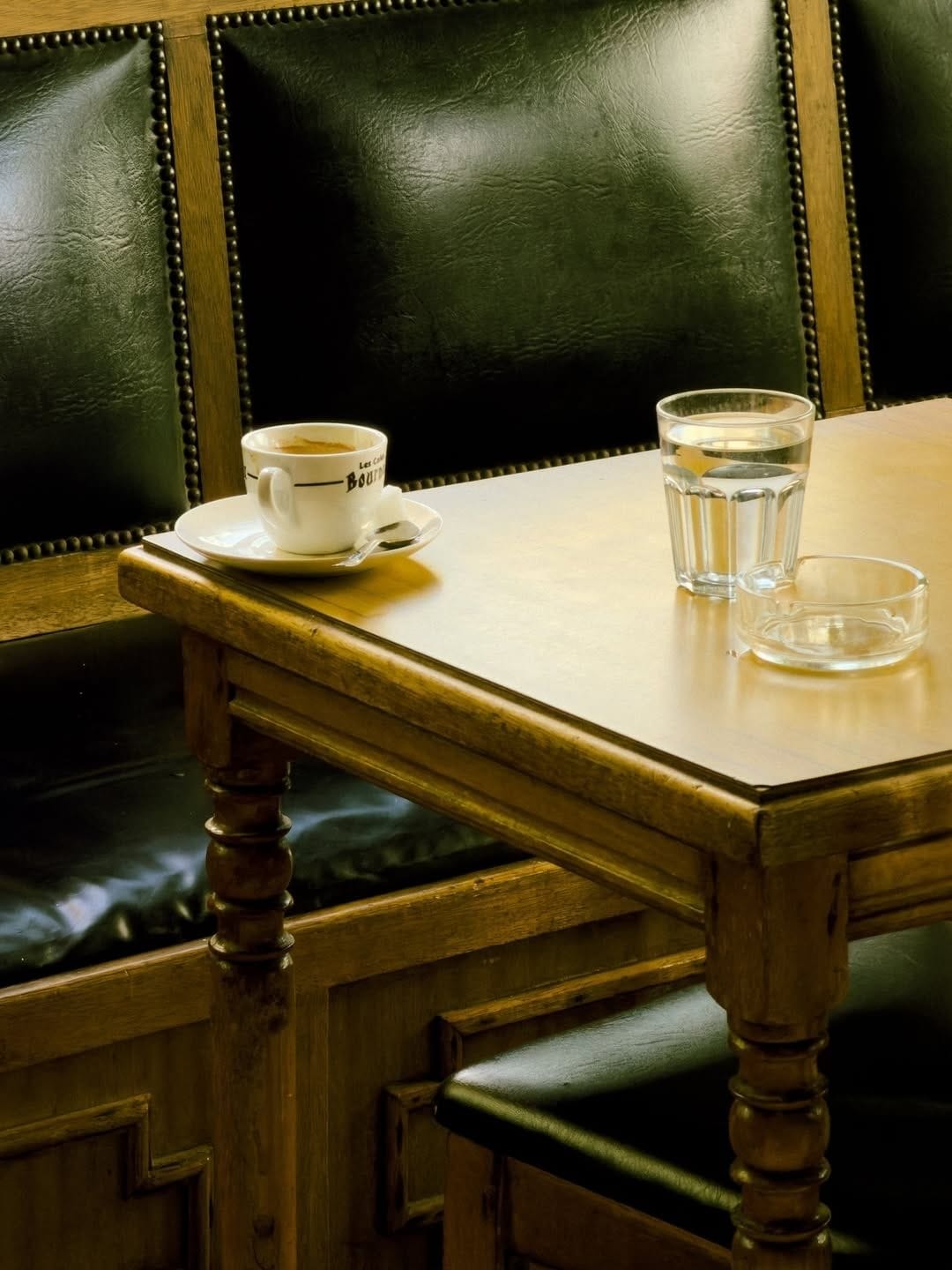
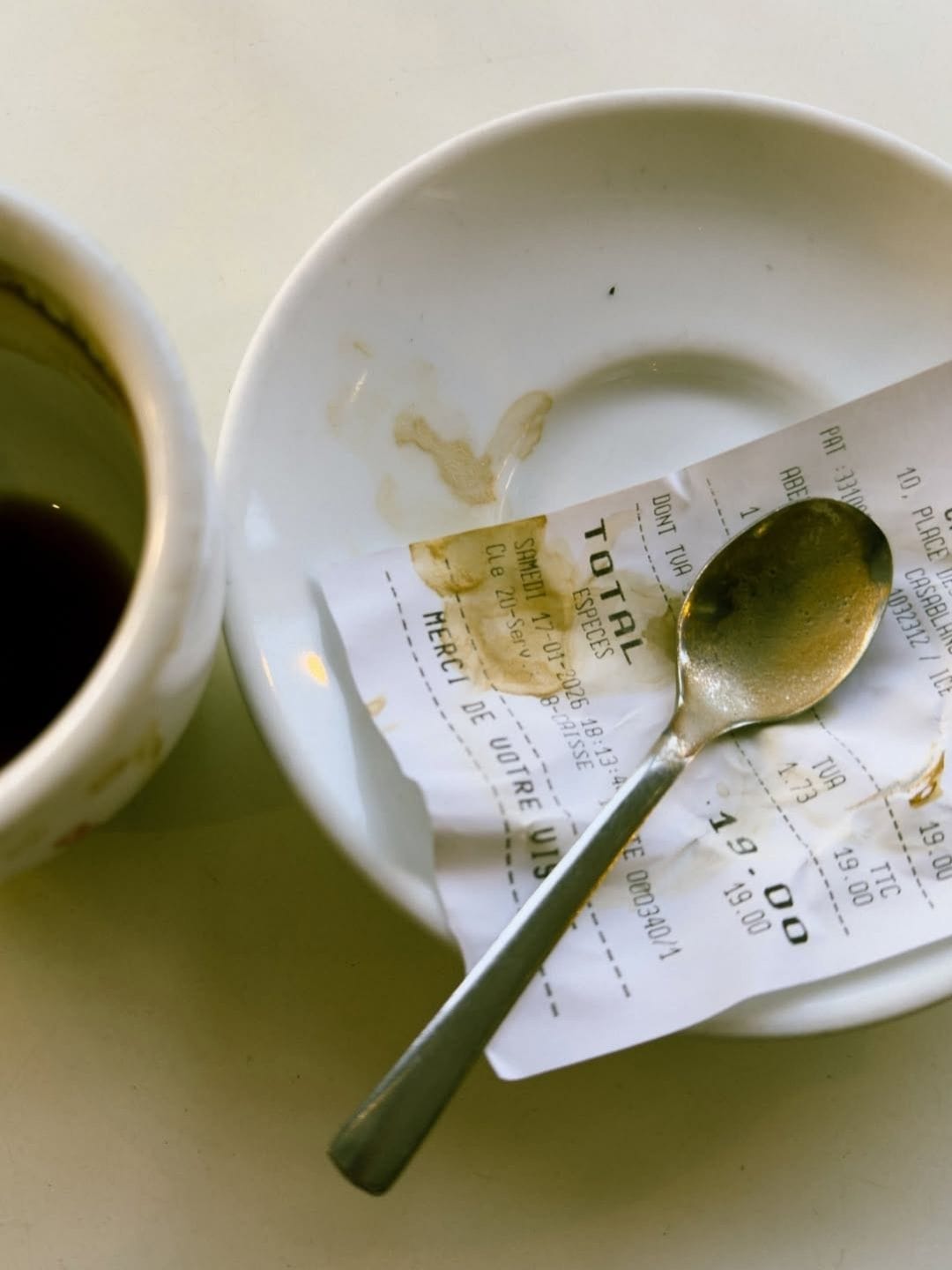
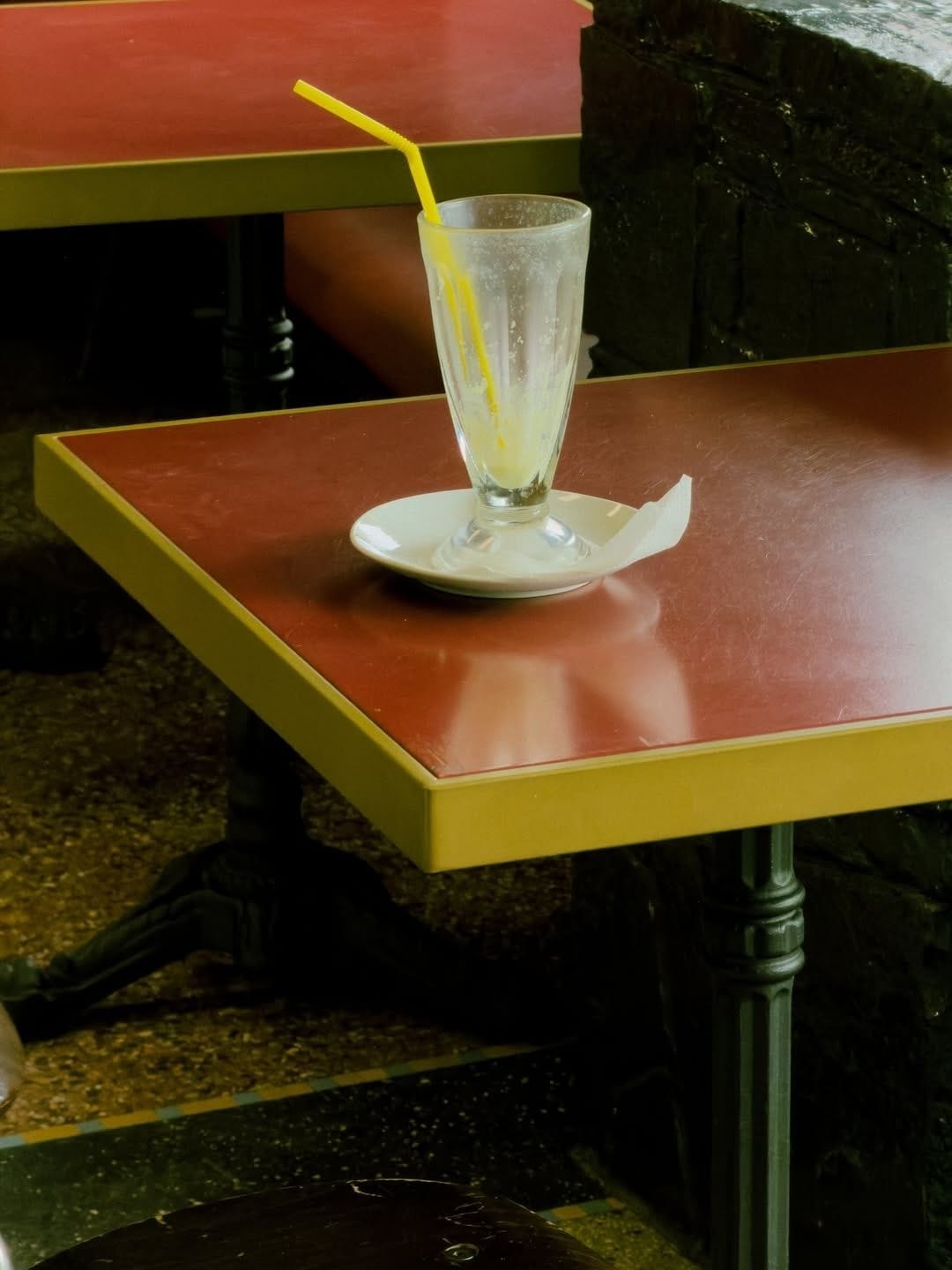
In a world filled with carefully designed matcha cafés and curated interiors, the old-school cafés of Casablanca feel like an antidote. No polished aesthetics, no staged corners for photos, just real spaces shaped by time, routine, and everyday life.
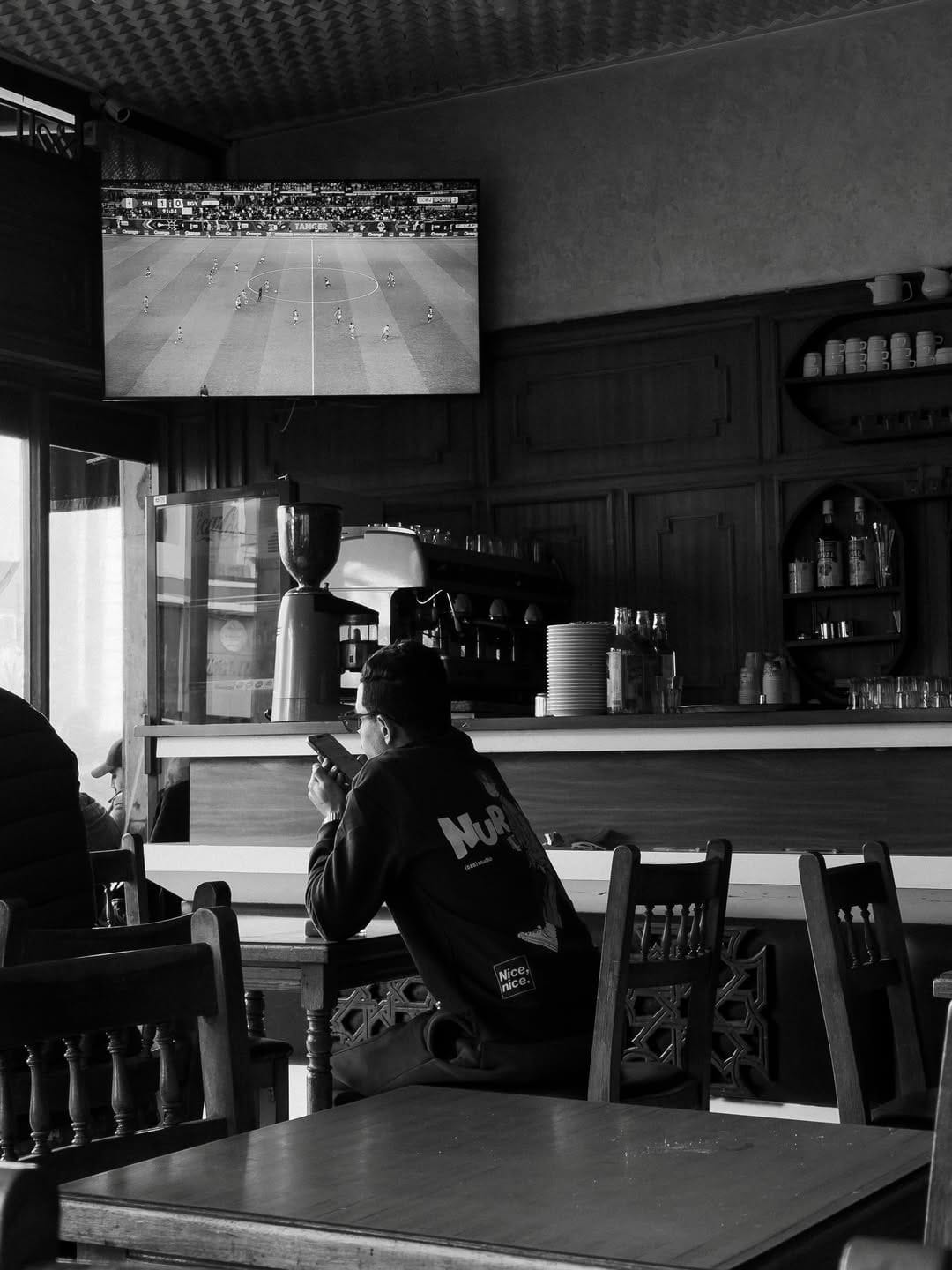
Through his lens, Rwinalife takes us inside these cafés, not as outsiders, but as part of their rhythm. These are spaces that are not designed to impress. Interiors are simple, sometimes worn, but always alive. The light is harsh or dim, the furniture mismatched, the walls carrying years of stories. And yet, this is exactly what gives them their atmosphere. Nothing feels forced. Everything feels real.
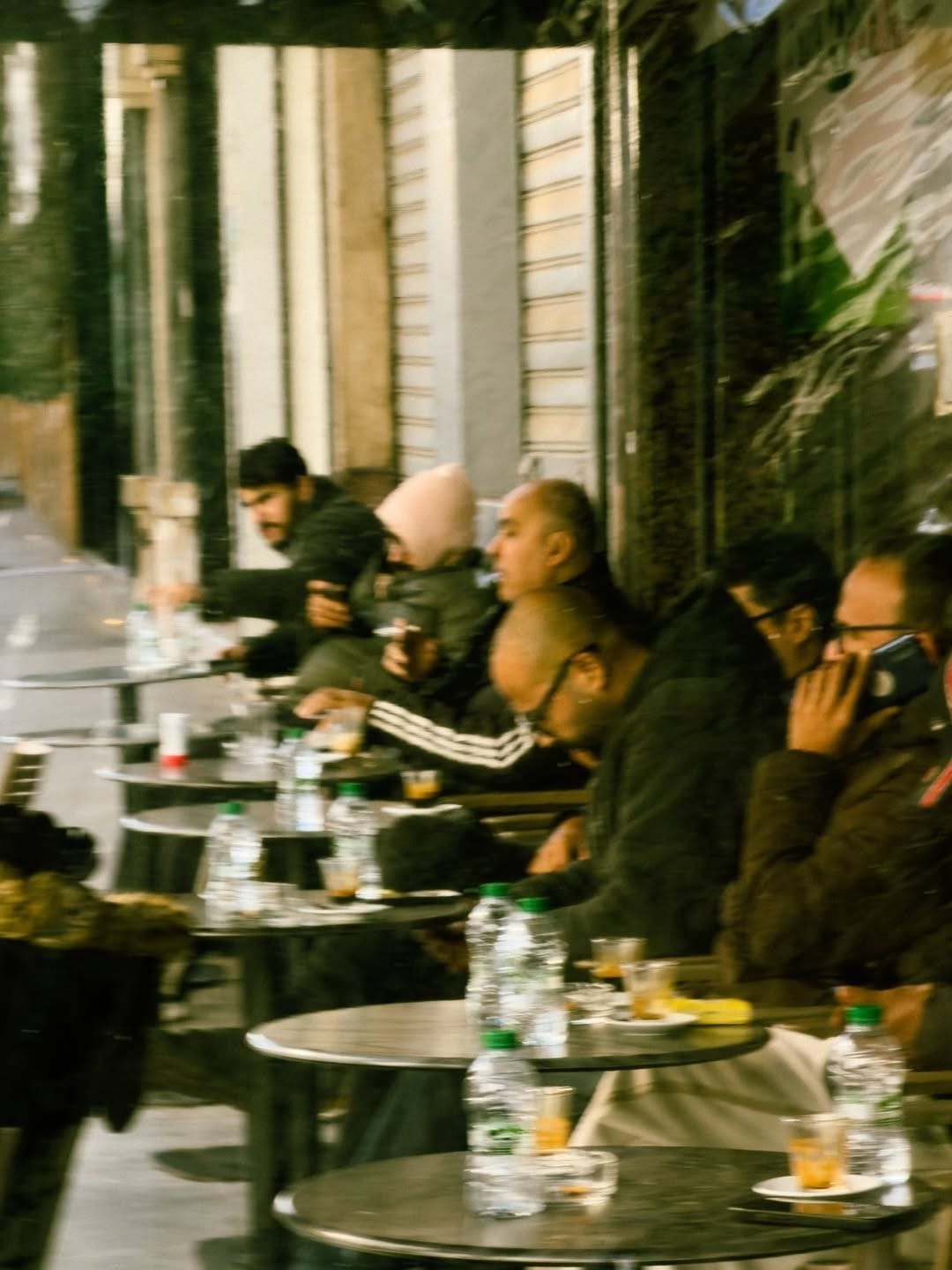
His images capture men sitting for hours over coffee, watching the street. Conversations stretching across afternoons. Moments of silence. The quiet poetry of people simply being. In these scenes, the cafés become more than places to drink coffee, they become spaces of presence.
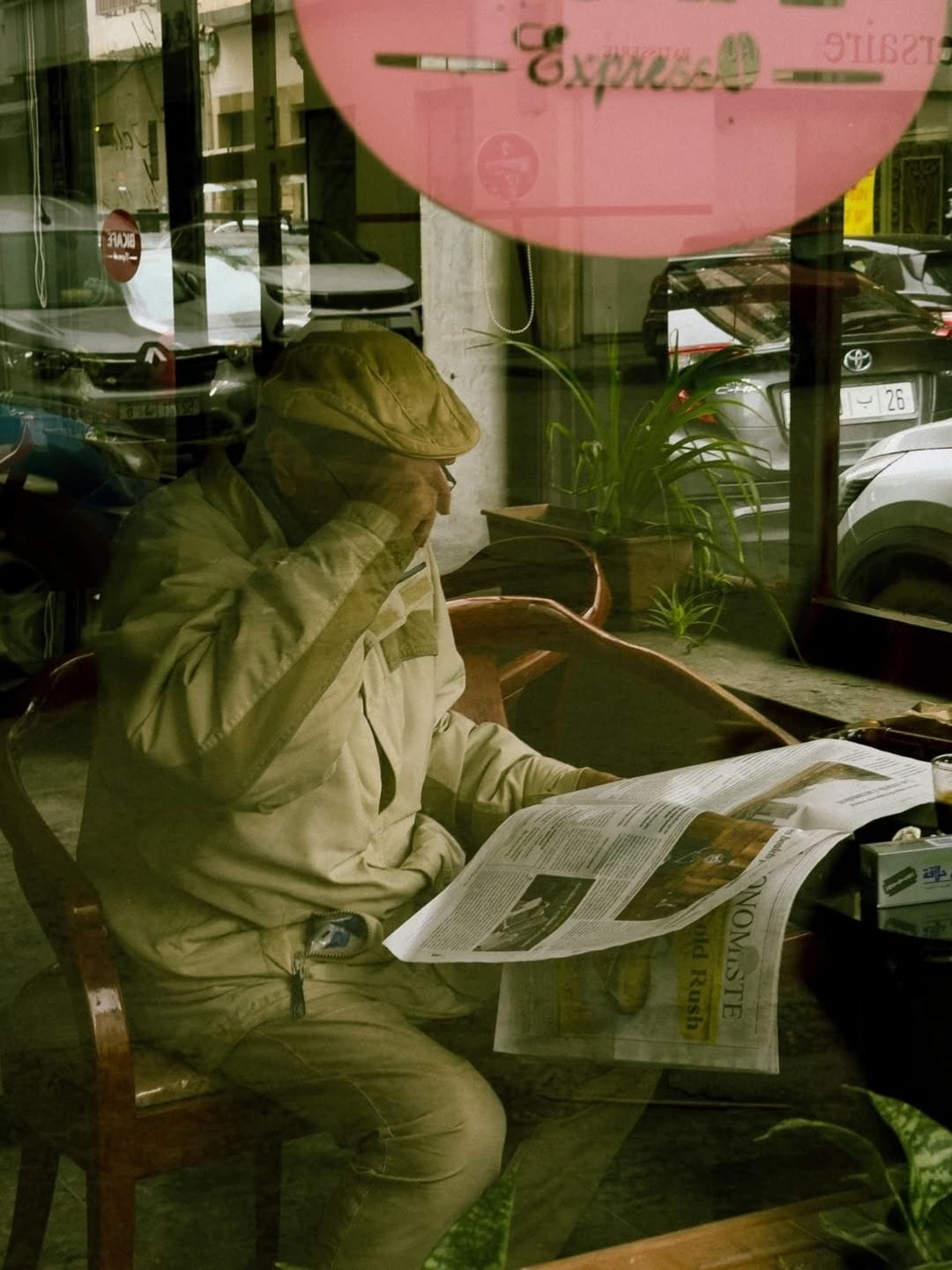
These cafés are what we now call a “third space”, a place between home and work, where people come to pause, reflect, connect, or simply exist. Long before the term became a trend, these cafés were already fulfilling that role in Moroccan society.
Yet this culture is slowly disappearing. As the city modernizes and global aesthetics take over, many of these cafés are being replaced or transformed. The rawness that once defined them is fading.
And still, there is a shift happening.
A new generation is beginning to rediscover these spaces. There is a growing appreciation for their authenticity, their imperfections, and their cultural significance. People are starting to see them not as outdated, but as essential.
Through his photography, Rwinalife captures this moment in between, where something is disappearing, but also being rediscovered. He reminds us that these cafés are not just physical spaces, but part of a living culture that cannot be replicated through design or trends.
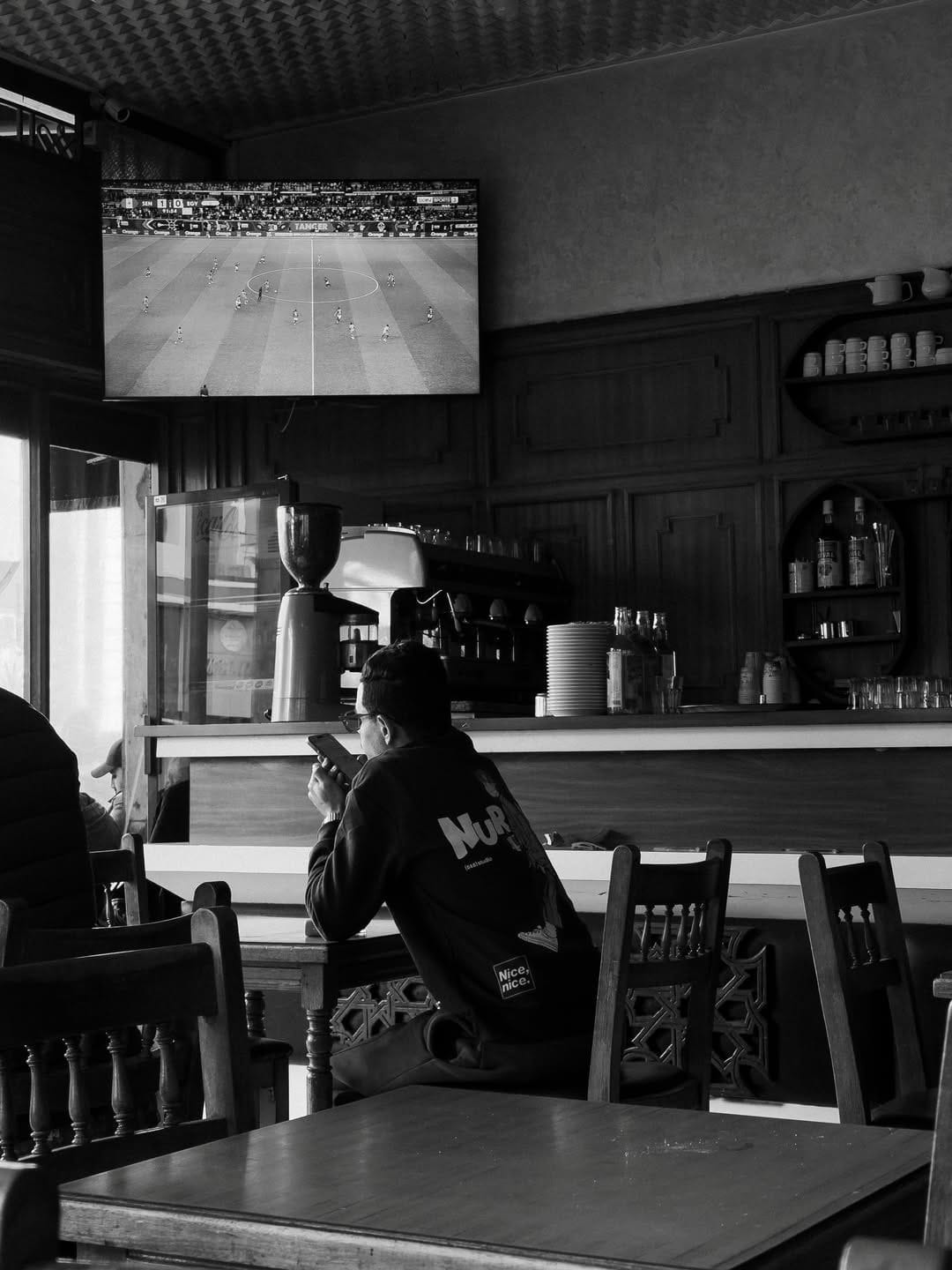
In a time where cities are increasingly shaped by visual perfection, his work offers something else. Something raw, unfiltered, and deeply human.
Through his lens, Casablanca is not just a city. It is a living story, unfolding every day, from its streets to its cafés.