How Amine Houari Captures Tangier: a Changing City
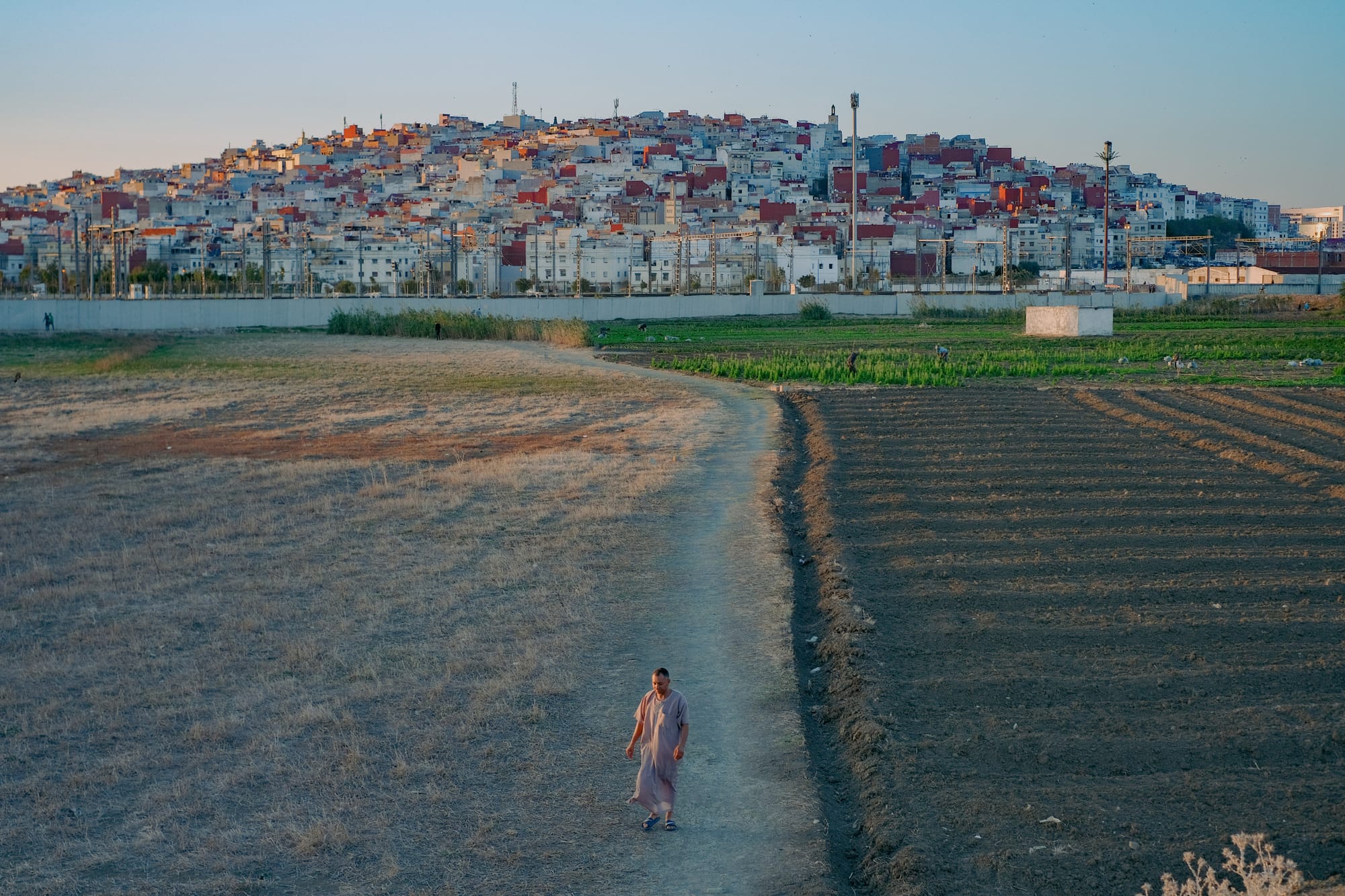
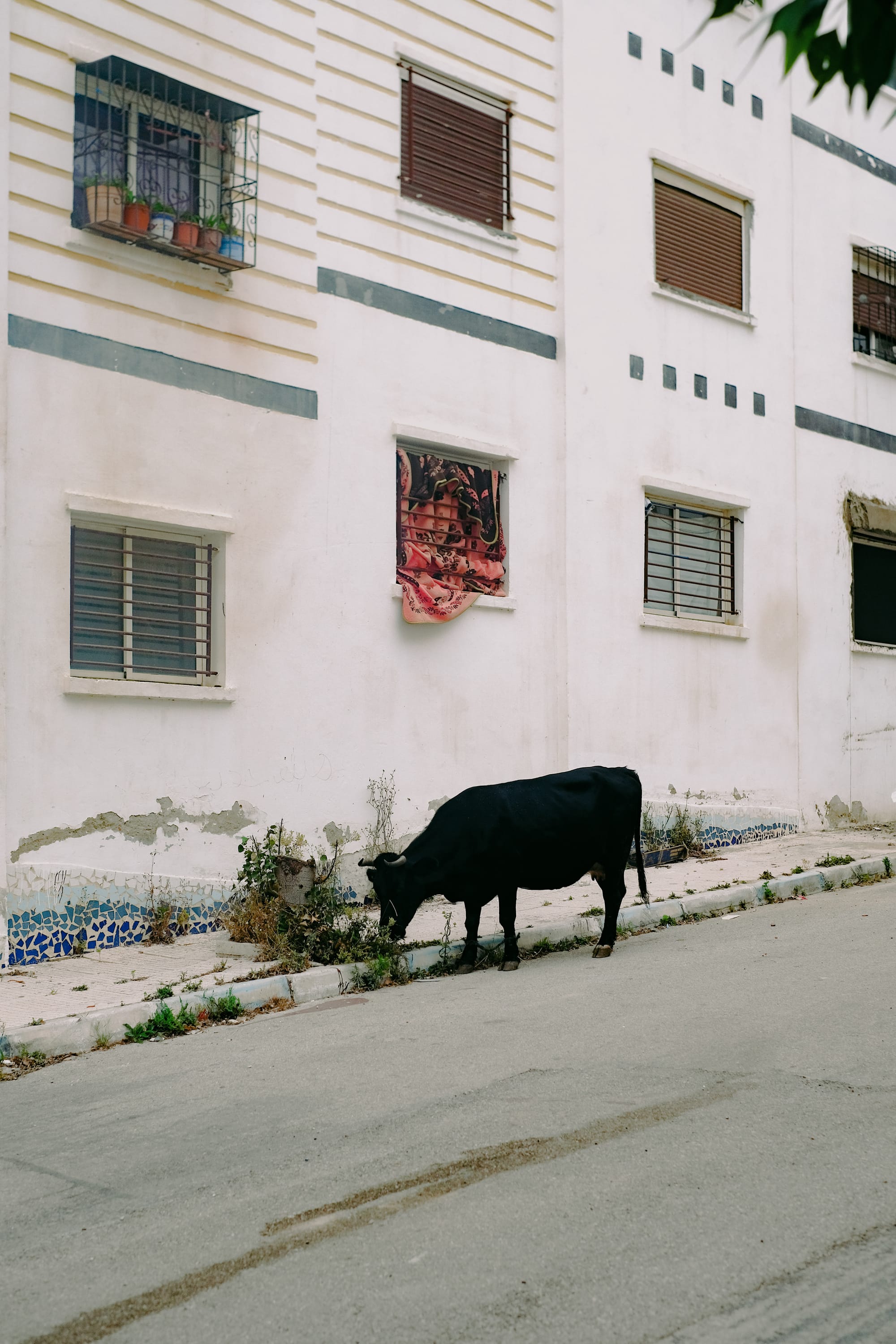
Tangier is changing fast. New buildings are rising, old neighbourhoods are being rebuilt, and familiar views are slowly disappearing. For Moroccan photographer and creative Amine Houari, this constant change became the starting point for Shifting Tangier, an ongoing photography project about a city in transition.
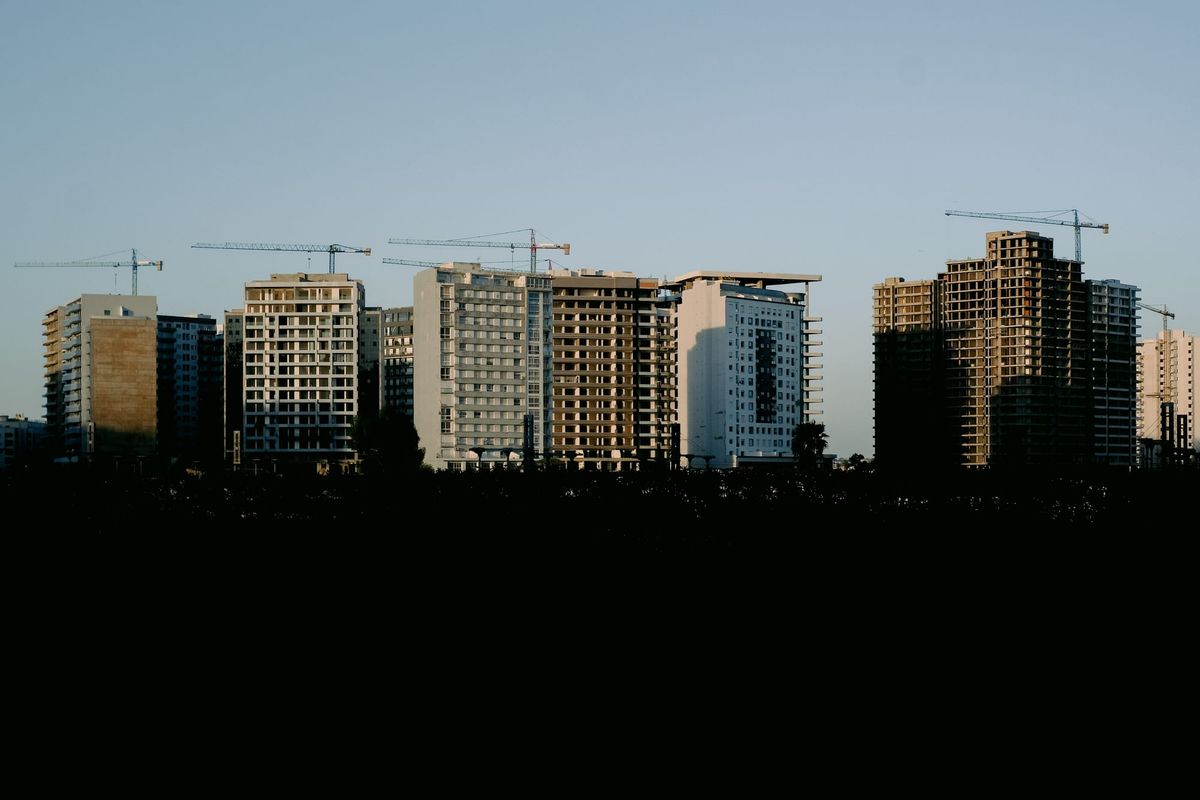
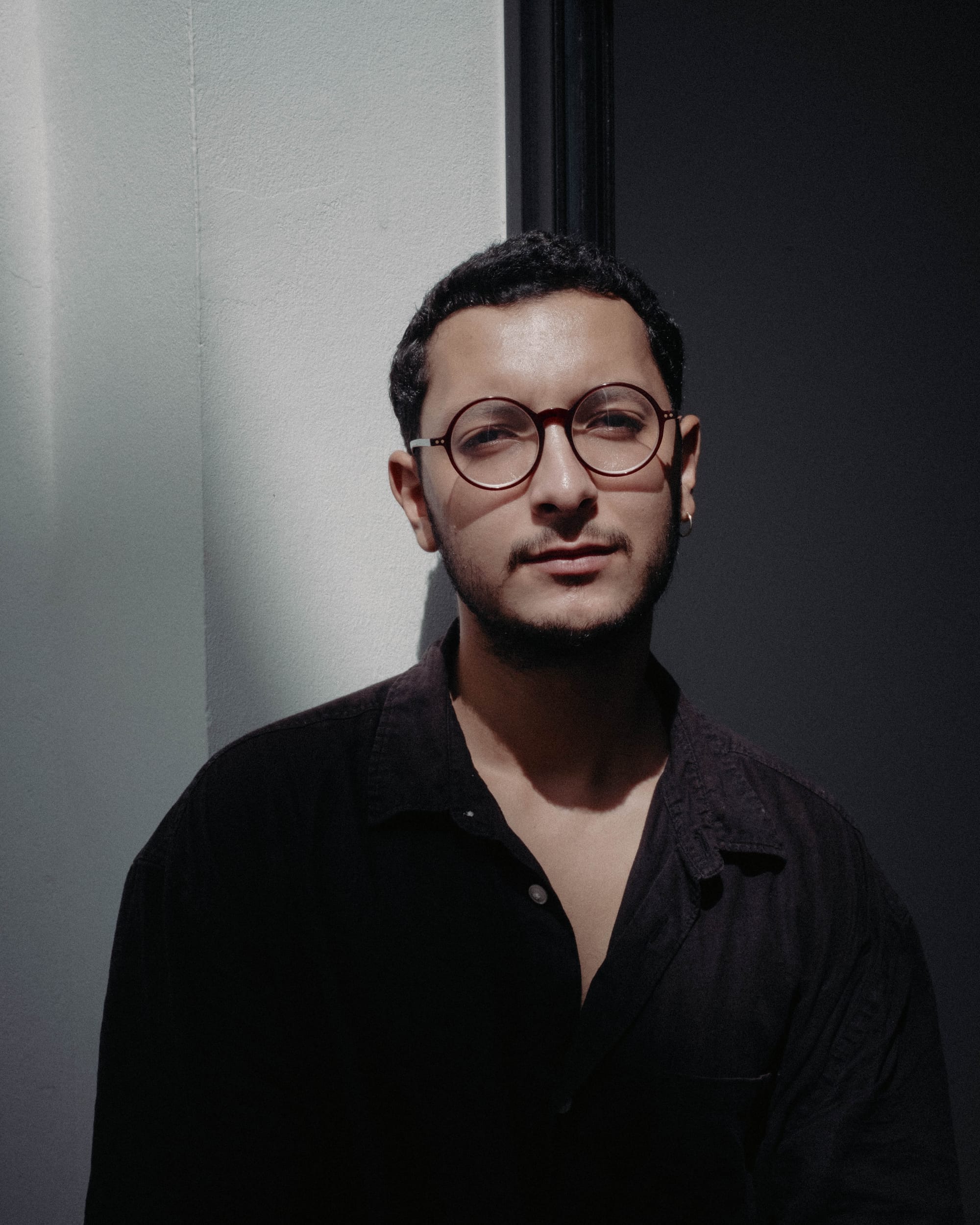
After studying Architecture in Fez, Houari moved to Tangier in 2023. Today, he works as a photographer and creative, using his background in architecture to shape the way he looks at the city. He is drawn to buildings, streets, empty spaces and the traces people leave behind. Soon after moving to Tangier, he began to notice how quickly the city was changing. Places he had photographed could look completely different only a short time later. Buildings were being demolished, new hotels were changing familiar views, and new neighbourhoods were appearing across the city. This made him want to document Tangier before these places disappeared.
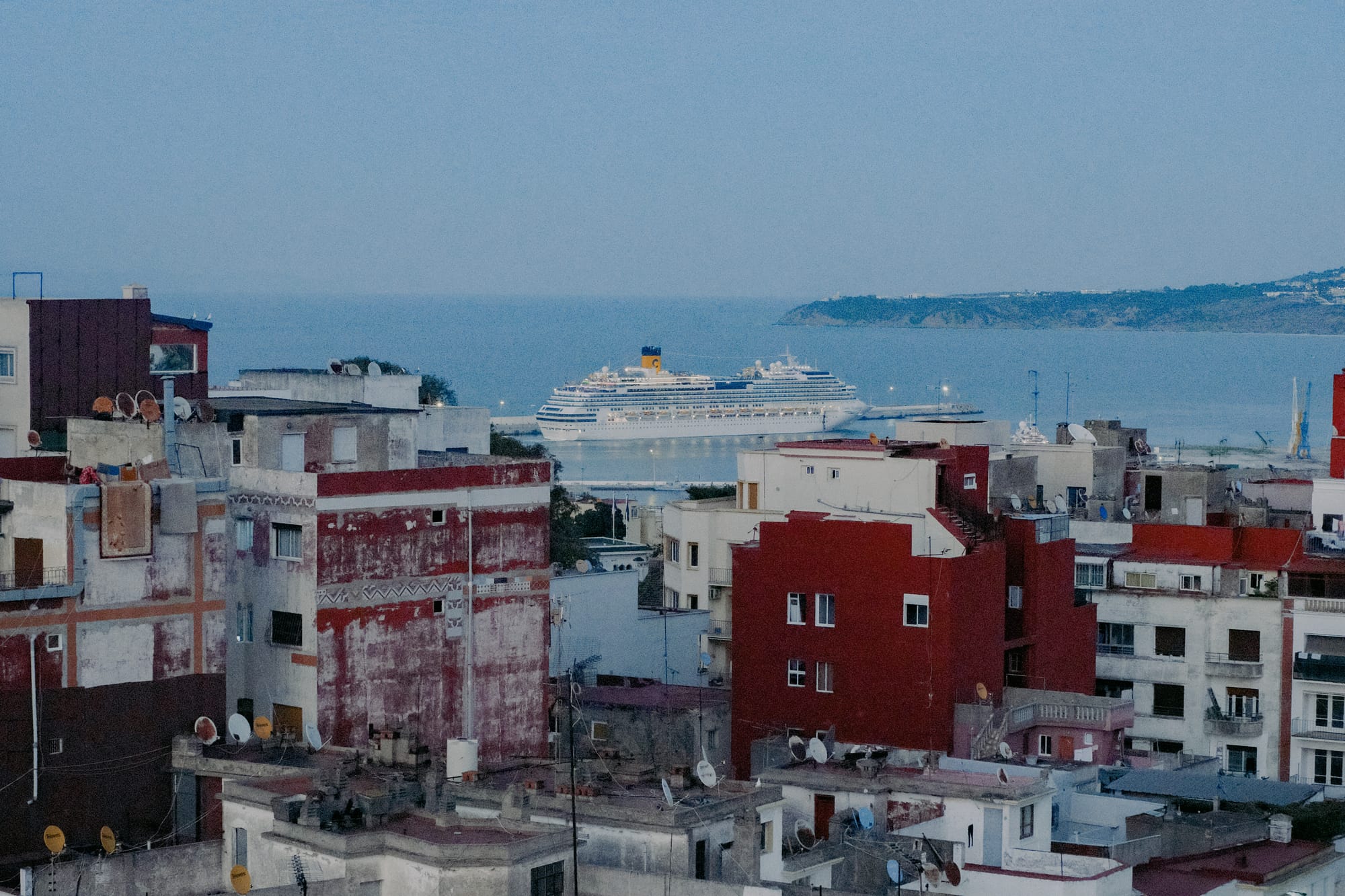
Shifting Tangier
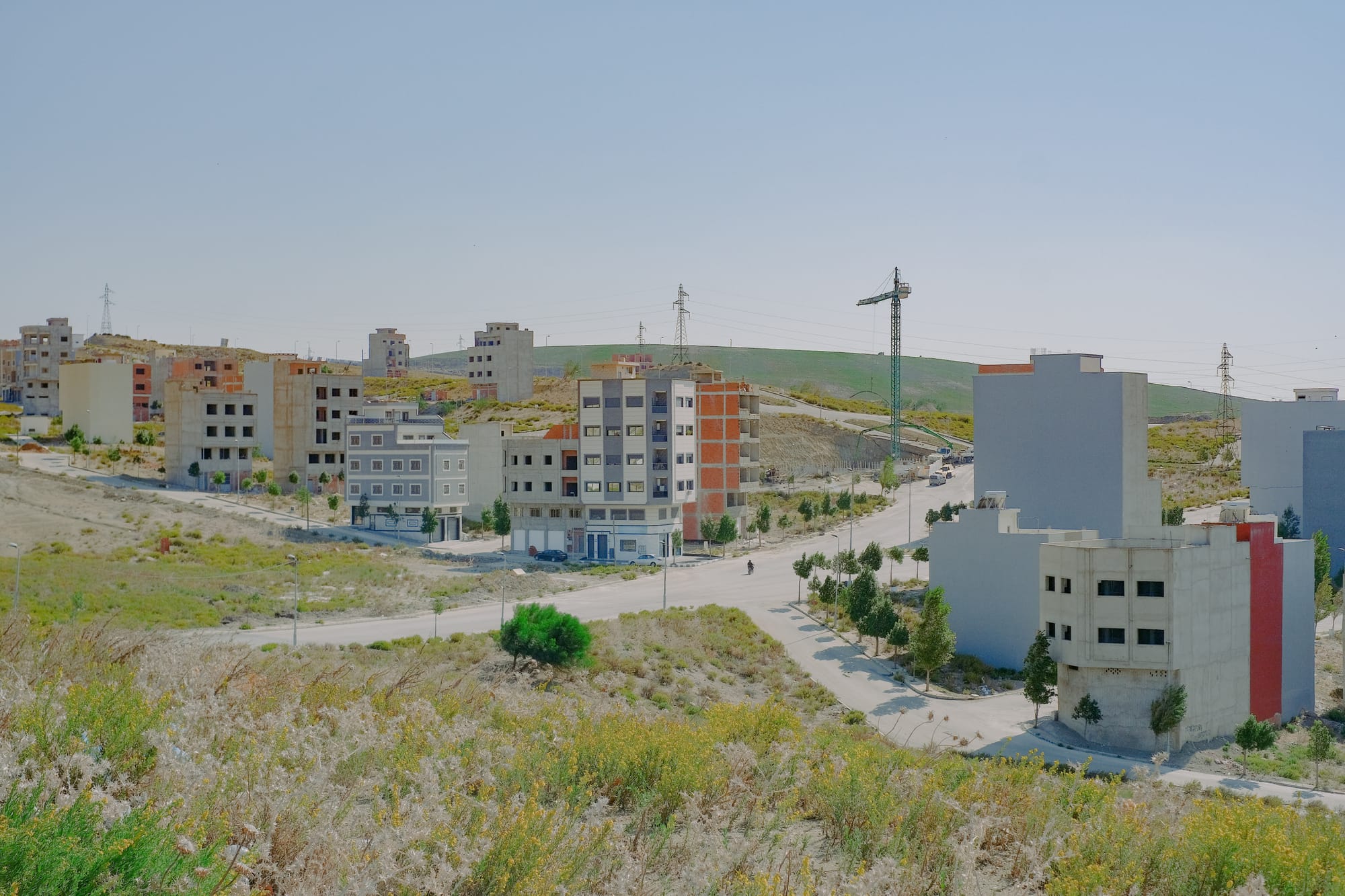
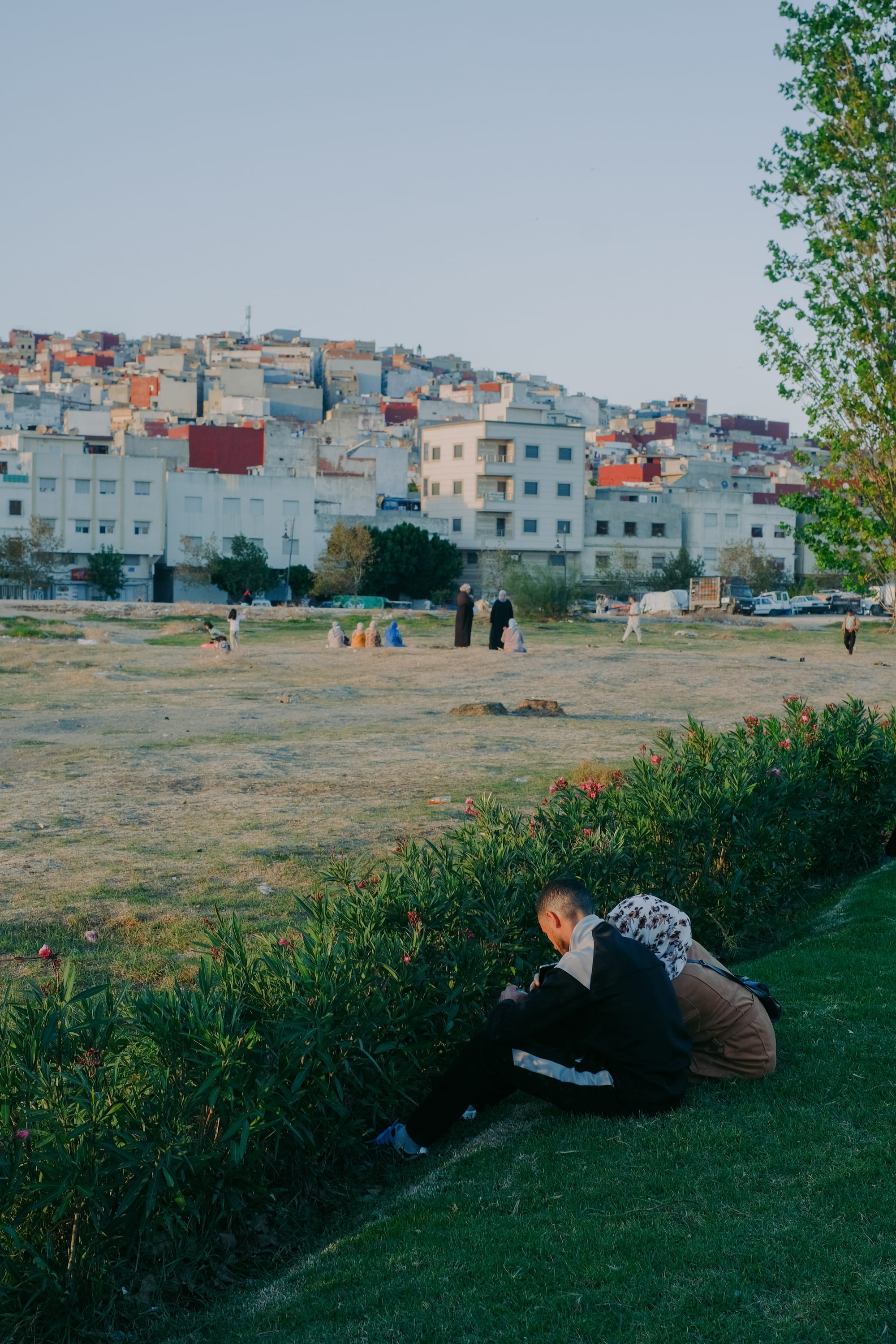
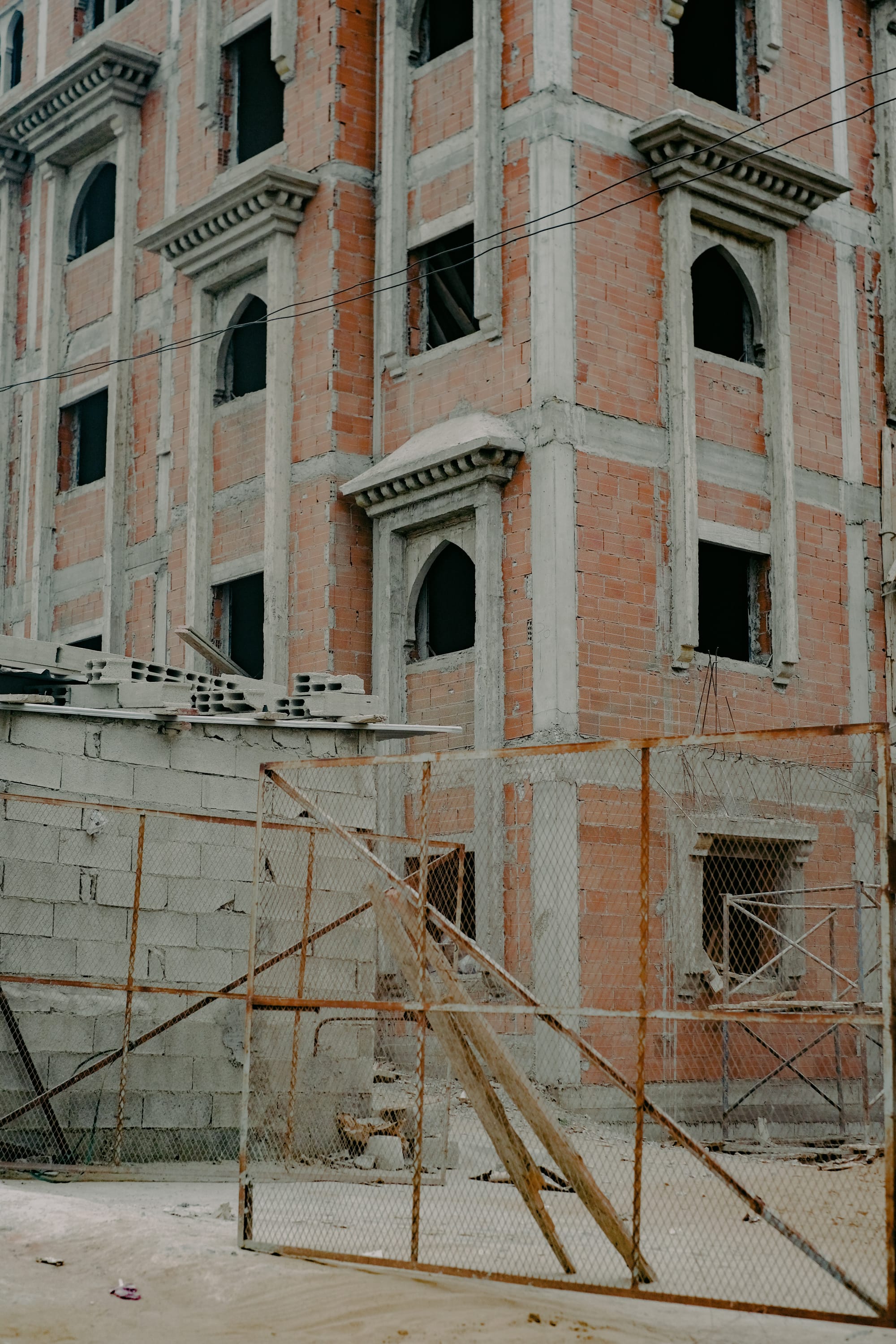
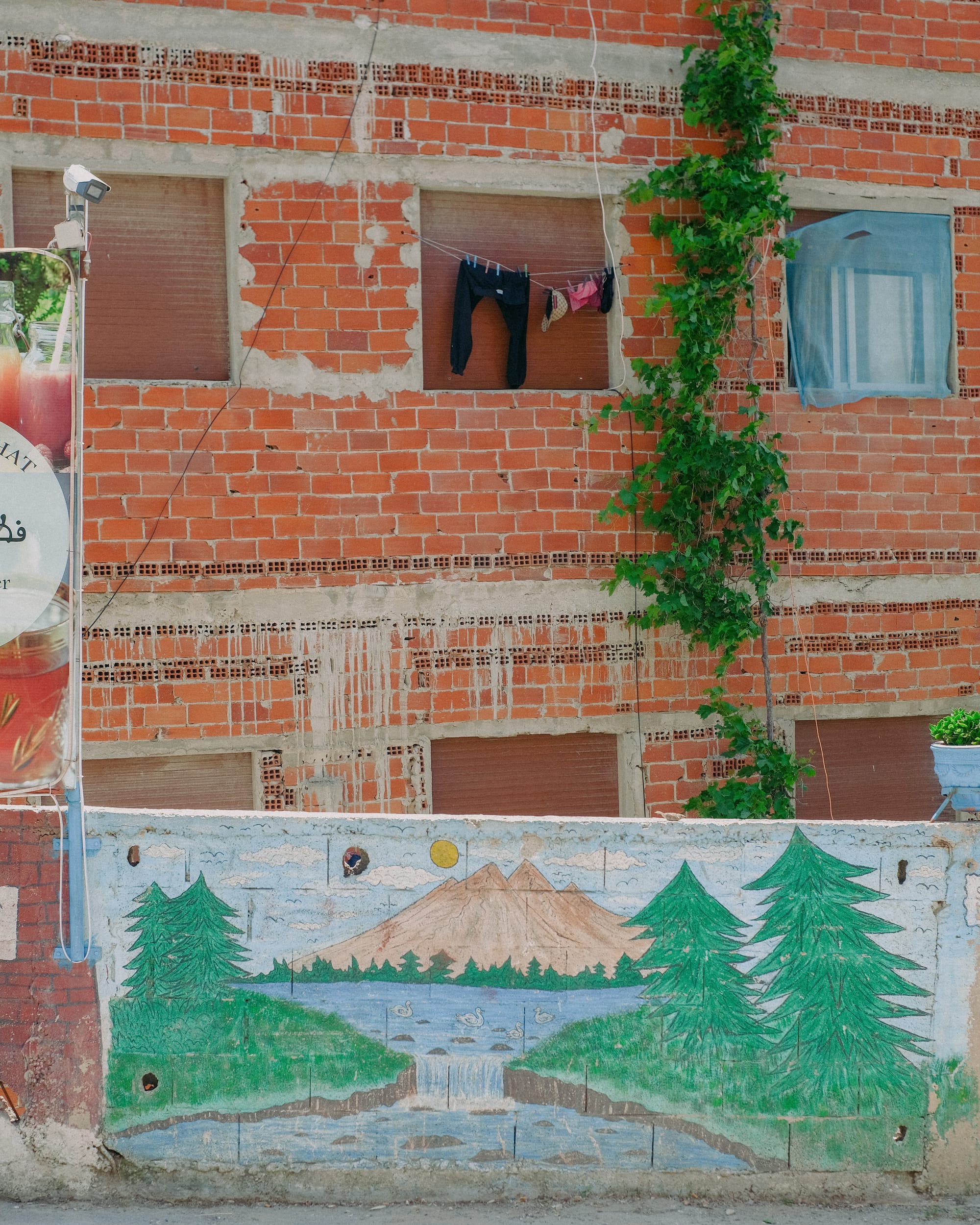
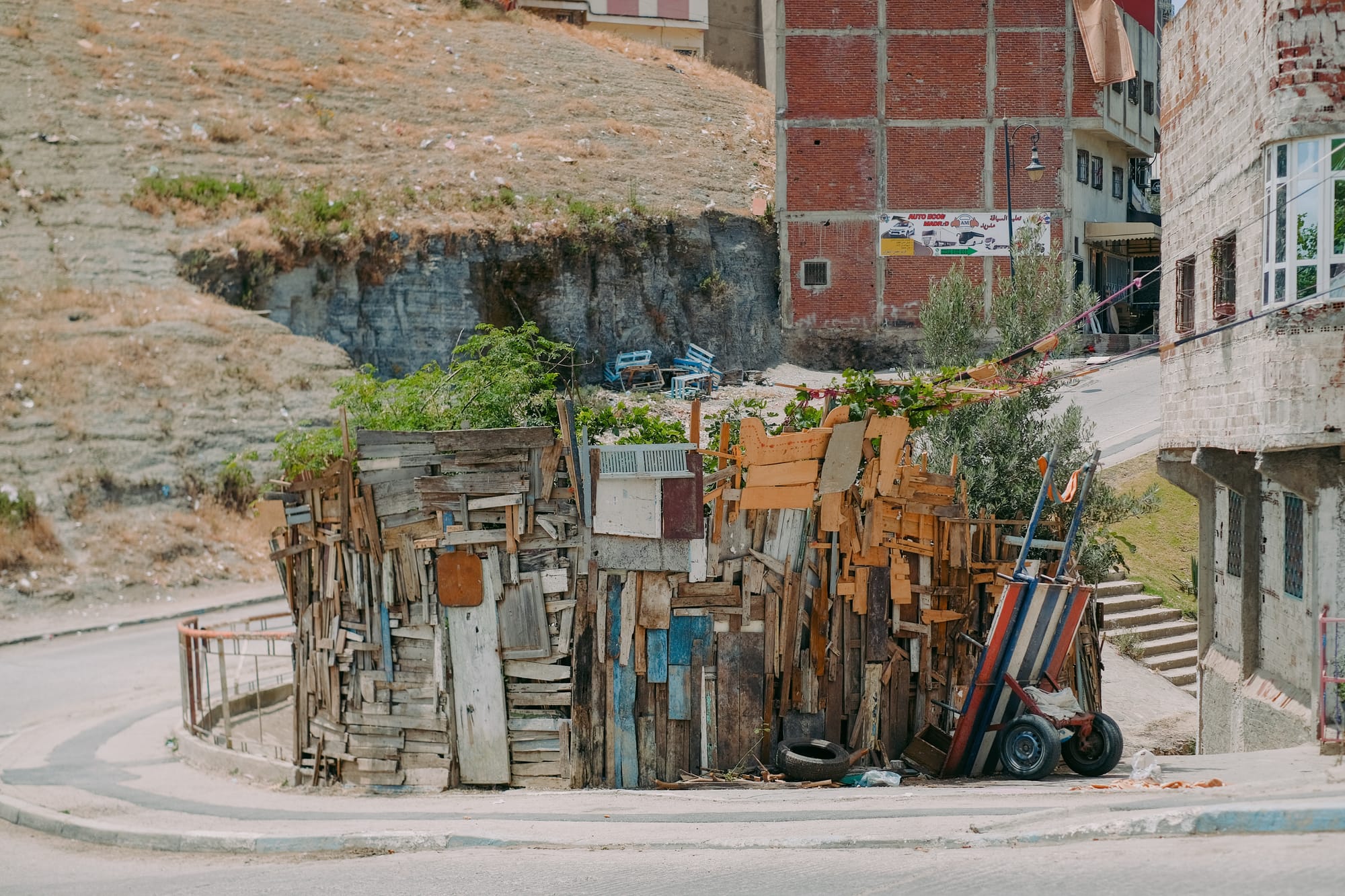
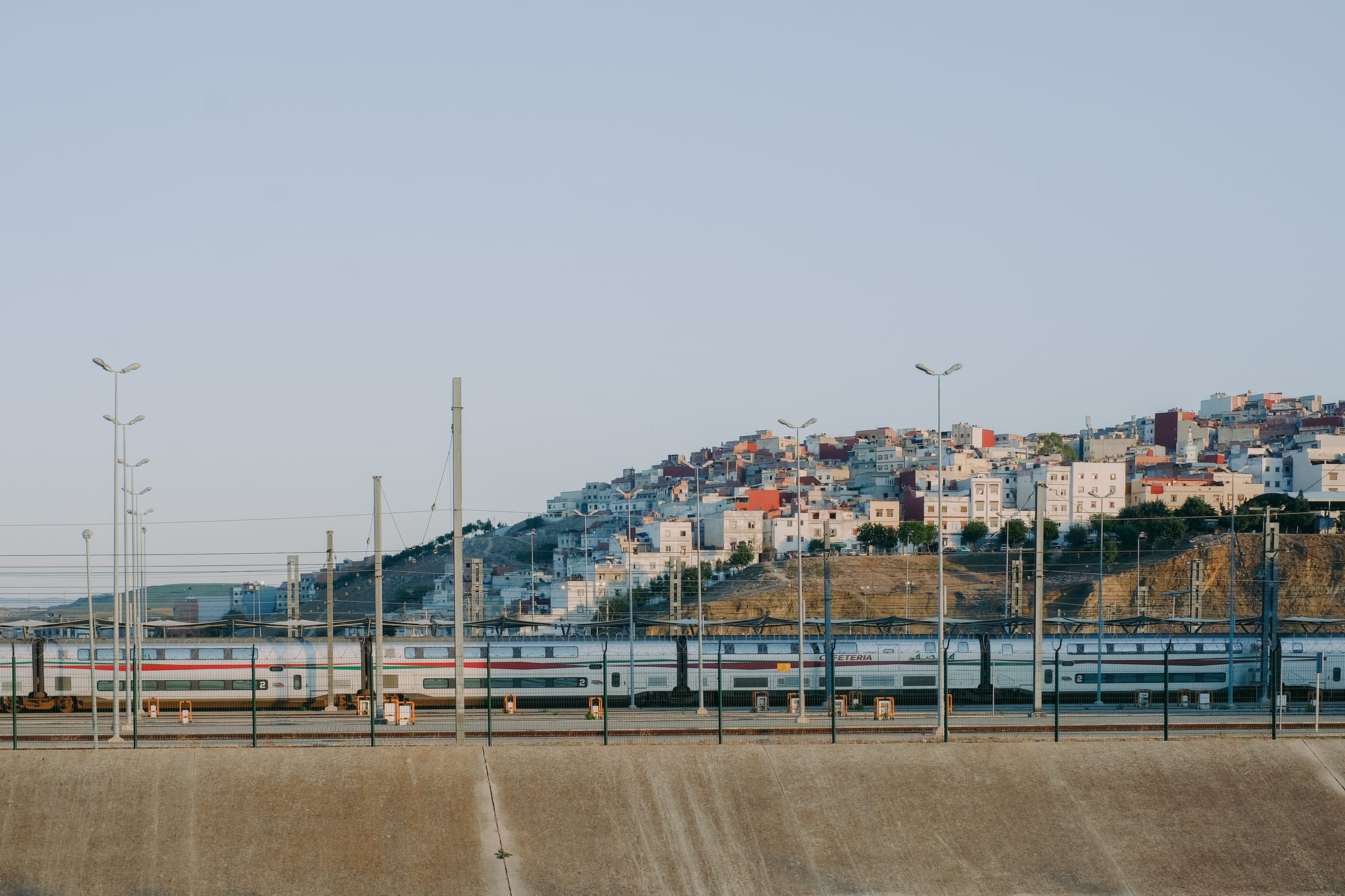
Shifting Tangier is more than a collection of photographs of buildings. It is a visual record of a city going through a major transformation. Tangier has always been shaped by different people, cultures and histories, partly because of its unique position between Africa and Europe. Today, the city is changing again through new infrastructure, tourism, migration and investment. Some parts are becoming more modern and international, while other neighbourhoods are being rebuilt or pushed further away from the centre. Houari photographs these changes as they happen, creating a record of a Tangier that may not look the same in a few years.
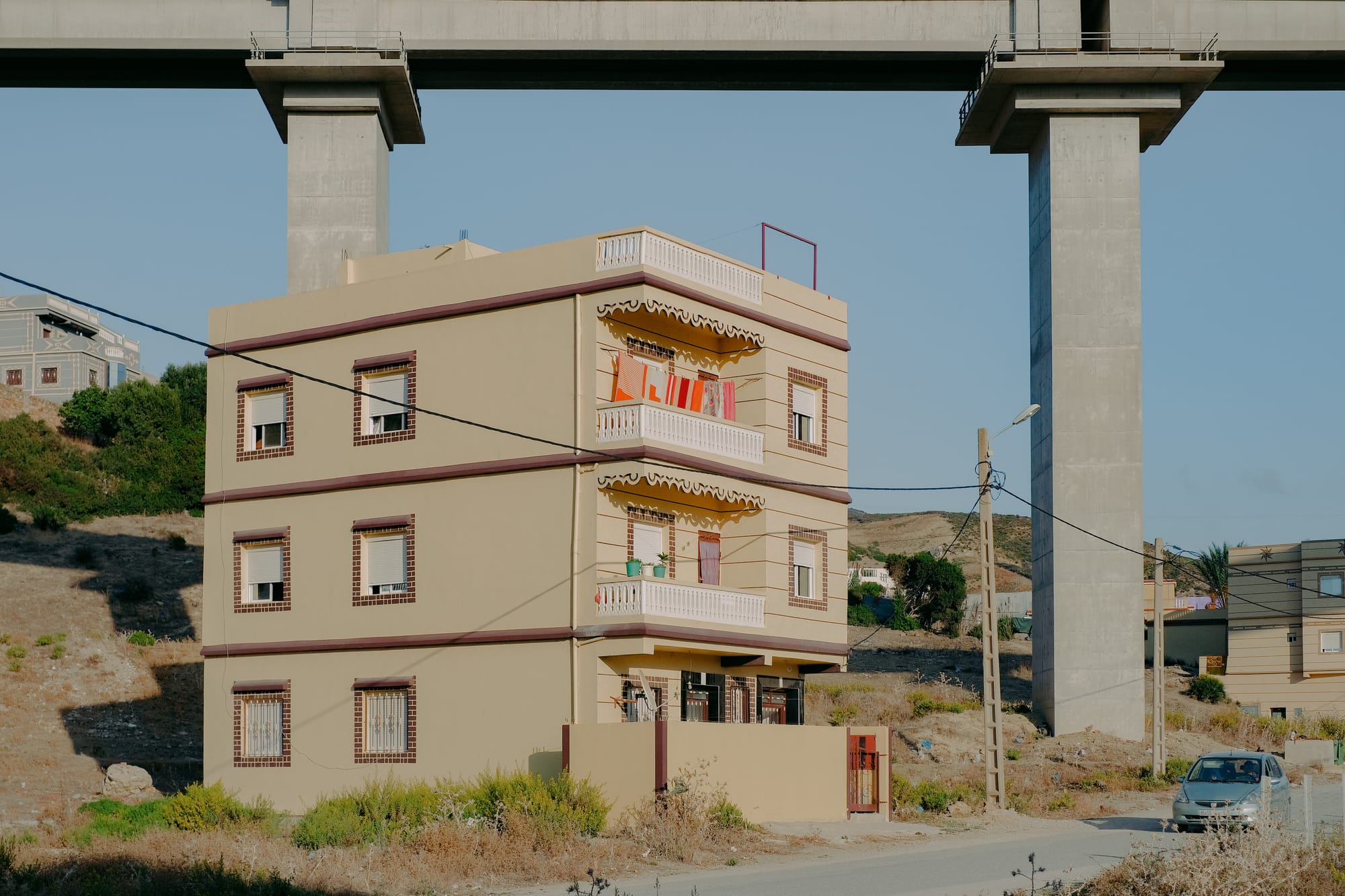
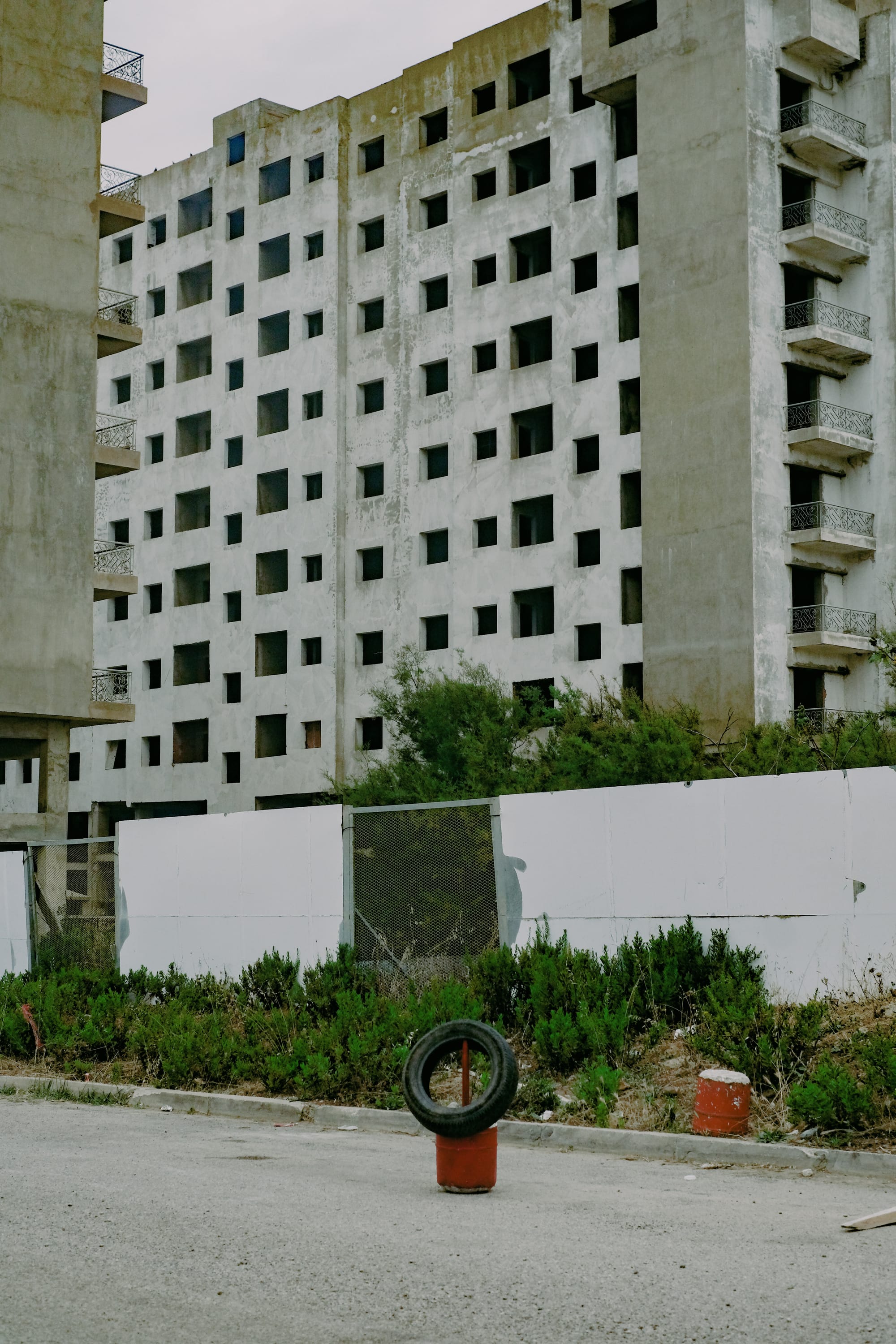
His background in architecture is also visible in the way he composes his photographs. He is interested in the spaces where people live, even when people themselves are not visible. Buildings, empty streets and pieces of land can tell stories about the people who live there and the changes taking place around them. His images often focus on lines, shapes, shadows and architectural forms, creating photographs that feel calm and carefully composed. At the same time, there is a sense of urgency behind them: the places he photographs are not fixed, and some may soon disappear.
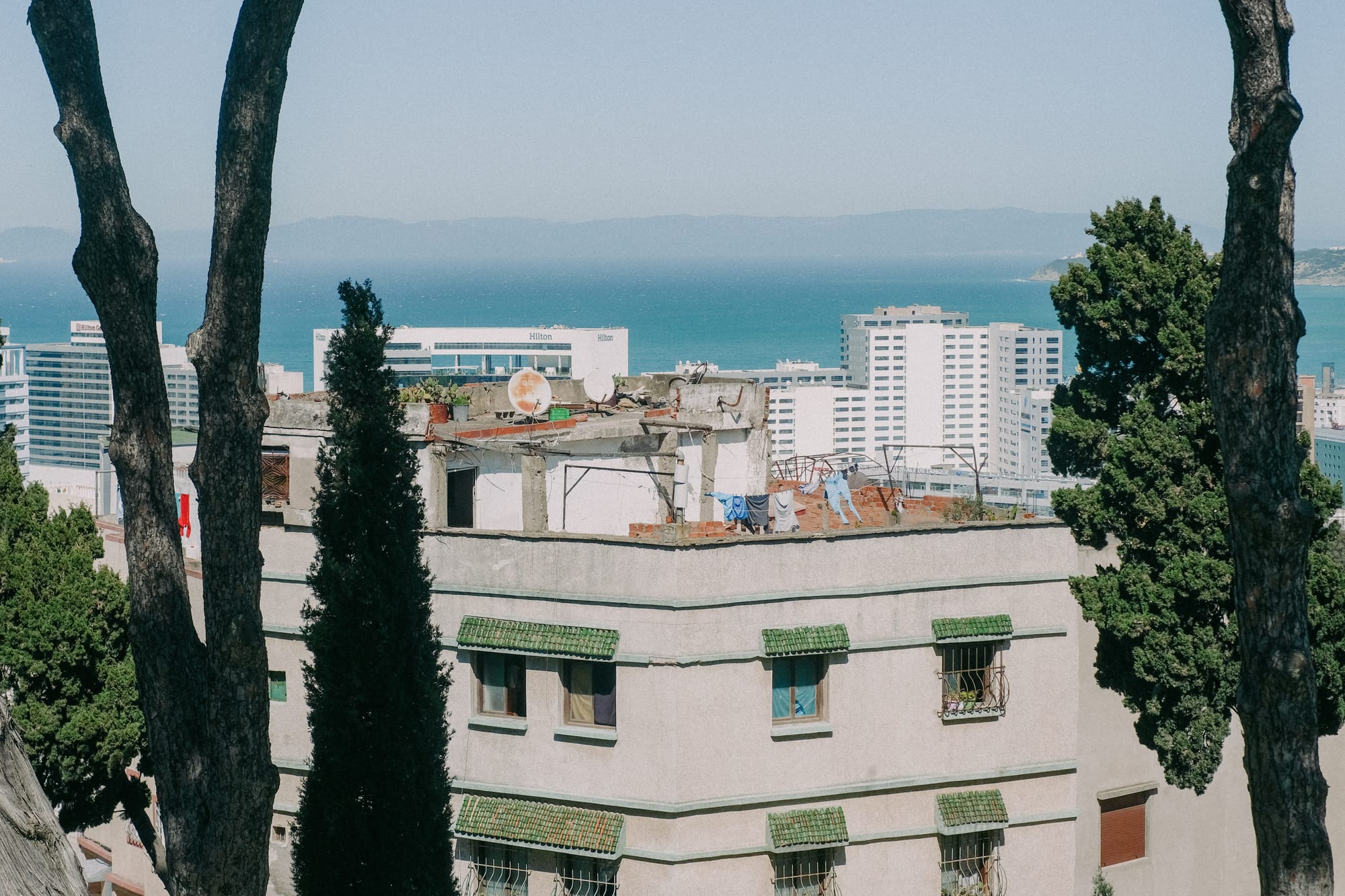

Photographing What Might Disappear
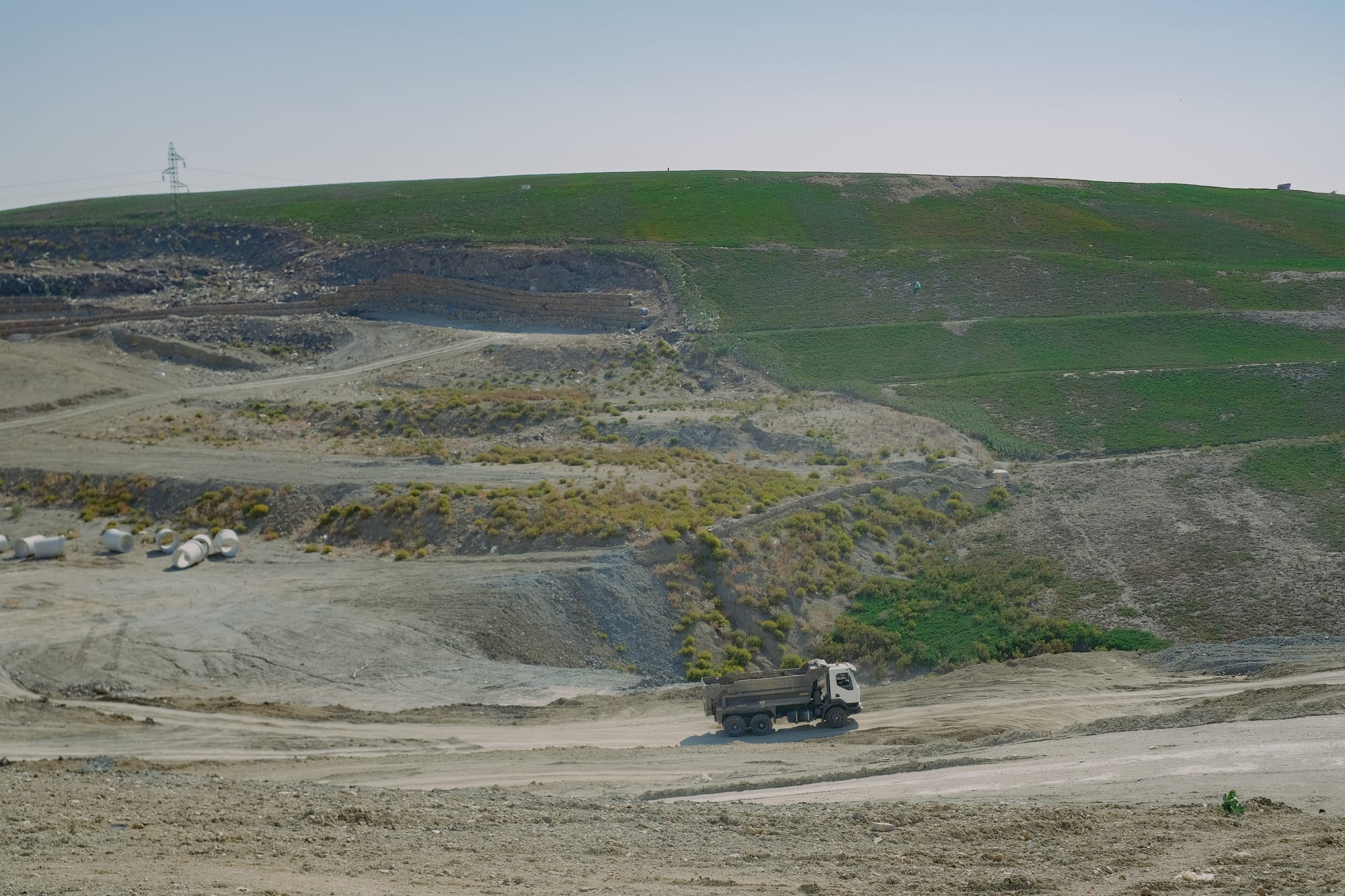
With Shifting Tangier, Houari also looks beyond the familiar images of Morocco. Instead of focusing on traditional or touristic subjects, he turns his camera towards construction, urban growth, changing neighbourhoods and the spaces between the old and the new. His work reflects a younger generation of Moroccan photographers who are interested in creating their own image of the country, one that shows Morocco as modern, complex and constantly changing.
At the heart of the project is a question about what happens when a city changes too quickly. Development can bring new opportunities, infrastructure and investment, but it can also change the character of a place. Older buildings disappear, green spaces become construction sites and familiar views are replaced by new developments. Houari does not simply document these changes; he asks us to look at them more closely and consider what a city gains, what it loses and what might disappear without us noticing.
For Houari, photography has become a way of preserving these moments. By photographing places before they change or disappear, he creates a visual archive of Tangier at a particular moment in its history. His photographs are therefore not only images of buildings and streets, but records of a city in transition. Shifting Tangier reminds us that cities are never finished. They are constantly being built, changed and reimagined and sometimes, to understand where a city is going, we first need to look closely at what it is leaving behind.